Ethereum Layer 2 Rollups Explained: Arbitrum, Optimism, Base
Layer 2 rollups make Ethereum faster and cheaper by moving activity off the main chain. Here is how rollups work, what Arbitrum, Optimism, and Base offer, and what to watch.

By Emily Volker, Editor-in-Chief
Editorial Strategy, Investigative Journalism, Crypto Media, E-E-A-T Standards
✓ Reviewed by James Park· NFT & Web3 Gaming Analyst
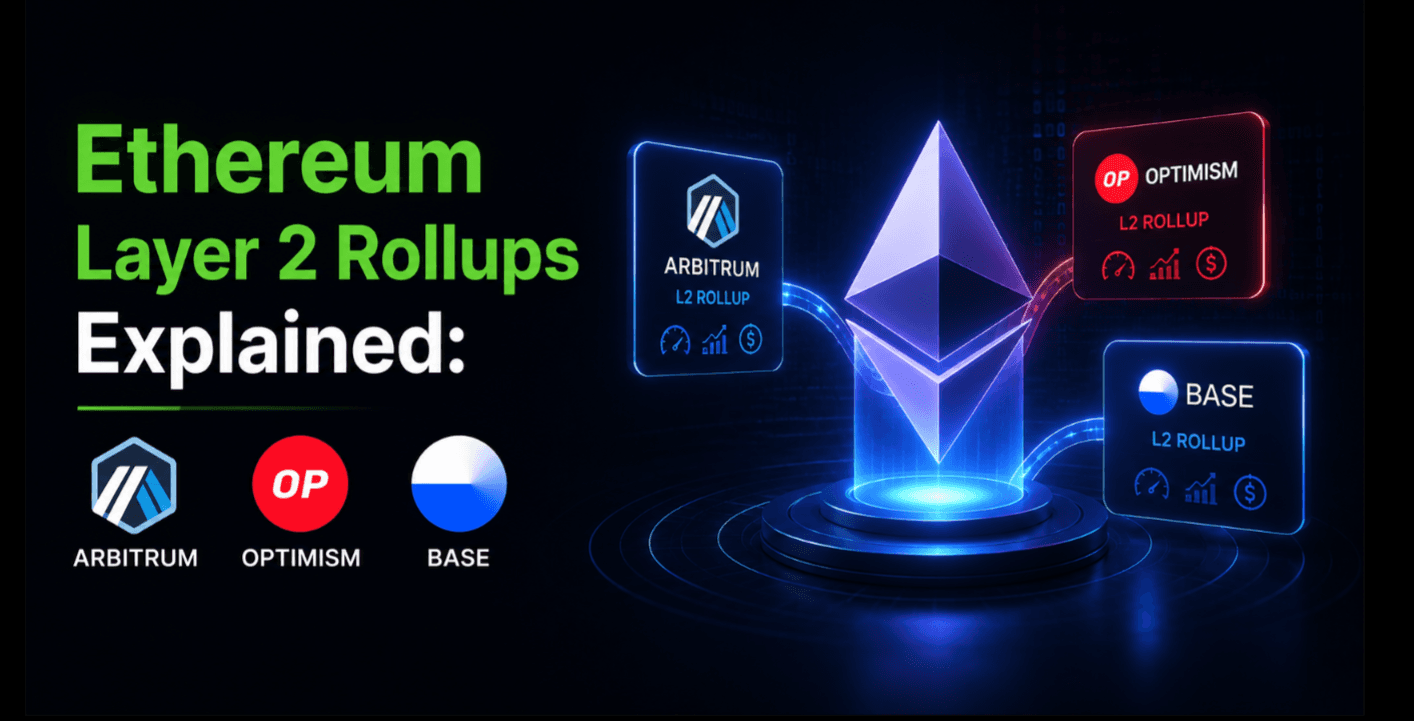
Ethereum Layer 2 rollups are separate networks that process transactions off Ethereum's main chain and then post a compressed record back to it for security. By doing the heavy lifting elsewhere and settling on Ethereum, rollups deliver much lower fees and higher throughput while still relying on Ethereum as the source of truth. Arbitrum, Optimism, and Base are among the most widely used rollups, each offering cheaper, faster transactions for everyday users and applications.
Key takeaways
- Rollups run transactions off-chain and settle back to Ethereum for security.
- They make transactions much cheaper and faster than the main network.
- Arbitrum, Optimism, and Base are leading general-purpose rollups.
- Most popular rollups today are optimistic, with zero-knowledge designs gaining ground.
- Bridging assets between layers introduces extra steps and risks to understand.
Why Ethereum needs Layer 2
Ethereum's main chain has limited capacity, which keeps it secure and decentralized but also makes it slow and expensive during busy periods. Layer 2 networks solve this by handling transactions elsewhere and only sending a summary back to Ethereum. The result is that users get cheaper, faster activity without giving up the security guarantees that make Ethereum trustworthy in the first place.
How rollups work
A rollup executes many transactions on its own network, bundles them together, and posts the compressed data to Ethereum. Because Ethereum stores the data and can verify the results, the rollup inherits much of Ethereum's security rather than starting from scratch. Spreading the settlement cost across a whole batch of transactions is what makes each individual transaction so much cheaper.
Optimistic vs zero-knowledge rollups
Optimistic rollups assume transactions are valid by default and allow a window for anyone to challenge fraud. Zero-knowledge rollups instead use cryptographic proofs to demonstrate that transactions are valid before they settle. Optimistic designs power many of today's most used networks, while zero-knowledge designs are advancing quickly and offer faster final settlement. Both aim for the same goal: scaling Ethereum without sacrificing security.
Arbitrum, Optimism, and Base
Arbitrum and Optimism are established optimistic rollups with large ecosystems of applications. Base is a rollup built on the same underlying technology as Optimism and has grown quickly thanks to its accessibility. For most users, these networks feel similar to using Ethereum directly, just cheaper and faster, and they support familiar wallets and apps. The main differences come down to which applications and communities you want to access.
Rollups changed the question from whether Ethereum can scale to which layer you should be on, and for everyday users the answer is increasingly a Layer 2 by default. — CoinRadar Daily analysis
Bridging and moving assets
To use a rollup, you move assets from Ethereum or another network onto it through a bridge. Official bridges are generally the safest route, while third-party bridges can be faster but add risk. Moving assets back to Ethereum from an optimistic rollup may involve a waiting period tied to the challenge window. Always confirm you are using the correct, official bridge before transferring funds.
Risks and trade-offs
- Bridges are a common target for exploits, so use official options and verify addresses.
- Withdrawals from optimistic rollups can involve delays.
- Some rollups rely on operators that introduce centralization to varying degrees.
- Each network is a separate environment, so assets do not move automatically between them.
How to choose a Layer 2
Pick a rollup based on where the applications and communities you care about are active, then weigh fees, withdrawal times, and how decentralized the network is. For most everyday activity, any of the leading general-purpose rollups will offer a major cost improvement over the main chain. Start with small amounts, learn how bridging works on that network, and keep your security habits consistent across layers.
Frequently asked questions
What is an Ethereum Layer 2?+
A Layer 2 is a separate network that processes transactions off Ethereum's main chain and settles back to it for security. Rollups are the most common type, and they make transactions cheaper and faster while relying on Ethereum.
Are Layer 2 rollups safe?+
Rollups inherit much of Ethereum's security, but risks remain, especially around bridges and the level of decentralization of each network. Using official bridges and understanding withdrawal processes reduces your exposure.
What is the difference between Arbitrum, Optimism, and Base?+
All three are widely used rollups that lower fees and speed up transactions. They differ mainly in their ecosystems and communities, with Base built on the same technology that powers Optimism.
What is the difference between optimistic and zero-knowledge rollups?+
Optimistic rollups assume transactions are valid and allow a challenge window to catch fraud. Zero-knowledge rollups use cryptographic proofs to confirm validity before settling, which can enable faster final withdrawals.
Do I need a new wallet to use a Layer 2?+
Usually not. Most popular rollups work with the same wallets you already use on Ethereum. You typically just switch networks and bridge assets over to start transacting.
Written by
Emily VolkerEditor-in-ChiefEditorial Strategy, Investigative Journalism, Crypto Media, E-E-A-T Standards
Emily Volker is the Editor-in-Chief of CoinRadar Daily, where she leads a multilingual editorial team covering cryptocurrency markets, blockchain innovation, Web3, and global digital asset regulation across eight languages. With more than a decade of experience in financial and technology journalism, she has played a key role in developing high editorial standards and trusted reporting within the digital asset industry. Emily began her career as a financial journalist reporting on commodities, energy markets, and emerging technologies before discovering Bitcoin and decentralized finance in the early 2010s. She later moved to London to join one of Europe's early blockchain-focused media organizations, where she advanced into senior editorial leadership. Her experience reporting through both the rapid expansion of the 2017 ICO boom and the subsequent market correction reinforced her commitment to fact-based, research-driven journalism in an industry often influenced by speculation. She holds a Master's degree in International Journalism from City, University of London, and has completed executive studies in digital media strategy through the Reuters Institute at Oxford. Emily is a strong advocate for editorial transparency, rigorous verification, and responsible financial reporting. She also helped integrate Google's E-E-A-T principles—Experience, Expertise, Authoritativeness, and Trustworthiness—into the editorial standards followed by CoinRadar Daily. Under her leadership, CoinRadar Daily has expanded into a global cryptocurrency news platform publishing content in eight languages with a network of editors, analysts, and contributors across four continents. Emily oversees investigative reporting, editorial policy, content quality, and fact-checking processes to ensure every article meets the publication's standards for accuracy, credibility, and independence. Alongside her editorial responsibilities, Emily mentors aspiring journalists through digital media initiatives and regularly speaks at international conferences focused on journalism, fintech, blockchain technology, and digital assets, where she discusses responsible reporting, combating misinformation, and the evolving future of financial media.

✓Reviewed & edited by
James ParkNFT & Web3 Gaming AnalystNFTs, Web3 Gaming, GameFi, Digital Collectibles, Creator Economy
James Park serves as the NFT & Web3 Gaming Analyst at CoinRadar Daily, where he covers the rapidly evolving worlds of blockchain gaming, digital collectibles, metaverse ecosystems, and creator-driven economies. Combining expertise in interactive media with blockchain technology, he analyzes how NFTs and decentralized gaming continue to reshape digital ownership and online communities. James earned a Master of Fine Arts in Digital Media from NYU Tisch School of the Arts, giving him a unique perspective that blends creative storytelling, digital culture, and emerging technology. Rather than viewing NFTs solely through an investment lens, he examines their broader impact on entertainment, gaming, intellectual property, and community engagement. Prior to joining CoinRadar Daily, James reported on the NFT industry and blockchain gaming for several leading digital media outlets, covering the explosive growth of the NFT market, the transition toward utility-focused collections, and the evolution of GameFi. His close relationships with independent developers, digital artists, and gaming communities allow him to identify important industry trends long before they reach mainstream attention. His reporting places particular emphasis on sustainable Web3 game design, token economies, and the long-term viability of blockchain-powered virtual worlds. James has published extensive research analyzing why certain gaming ecosystems thrive while others struggle with inflationary token models, weak player retention, or unsustainable reward structures. His market analysis is frequently referenced by blockchain startups, investors, and game studios evaluating new Web3 projects. Beyond journalism, James actively participates in NFT and decentralized creator communities while following developments in digital art, virtual economies, and next-generation gaming technologies. He also contributes educational content on blockchain gaming and regularly speaks about the future of digital ownership, helping CoinRadar Daily deliver balanced, research-driven coverage at the intersection of technology, gaming, and crypto innovation.
CoinRadar Daily content is written by named analysts and checked against our editorial standards. Market data is indicative and informational only — nothing here is financial advice.
Ethereum services, rated
How we score →Independent, rubric-scored tables covering the services this ethereum coverage keeps running into.
Best Liquid Staking Protocols
Top rated: Rocket Pool 8.1
Staking that hands you a tradable receipt token.
4rated →
Best Crypto Staking Platforms
Top rated: Figment 8.1
Services that stake on your behalf.
5rated →
Best DeFi Protocols
Top rated: Uniswap Protocol 9.0
The base layer everything else is built on.
4rated →
Keep Reading
Ethereum vs Bitcoin: Key Differences Explained
Ethereum and Bitcoin are the two largest crypto networks, but they were built for different goals. Here is a clear comparison of how they differ and where each one shines.
James Park · May 24, 2026→
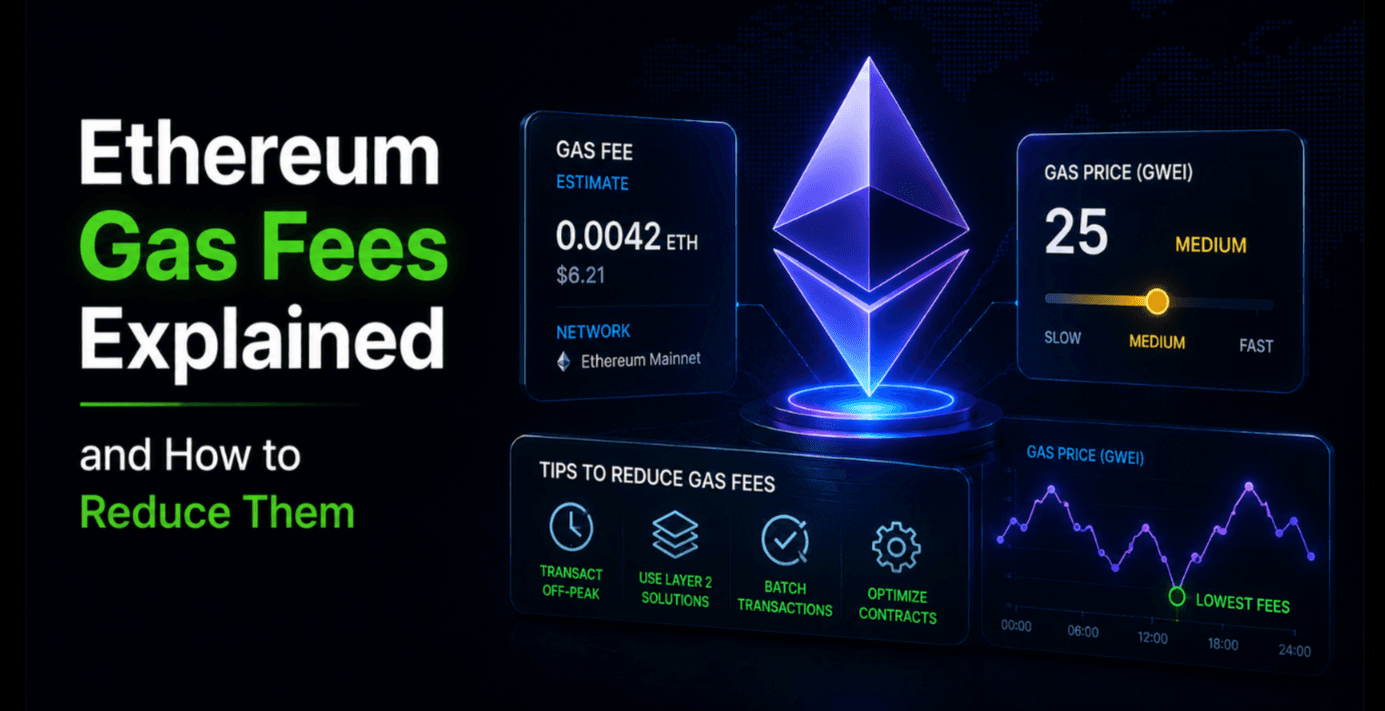
Ethereum Gas Fees Explained and How to Reduce Them
Gas fees are the cost of doing anything on Ethereum. Here is what gas is, why it gets expensive, and concrete tactics to pay less without taking shortcuts on security.
Olivia Bennett · June 4, 2026→
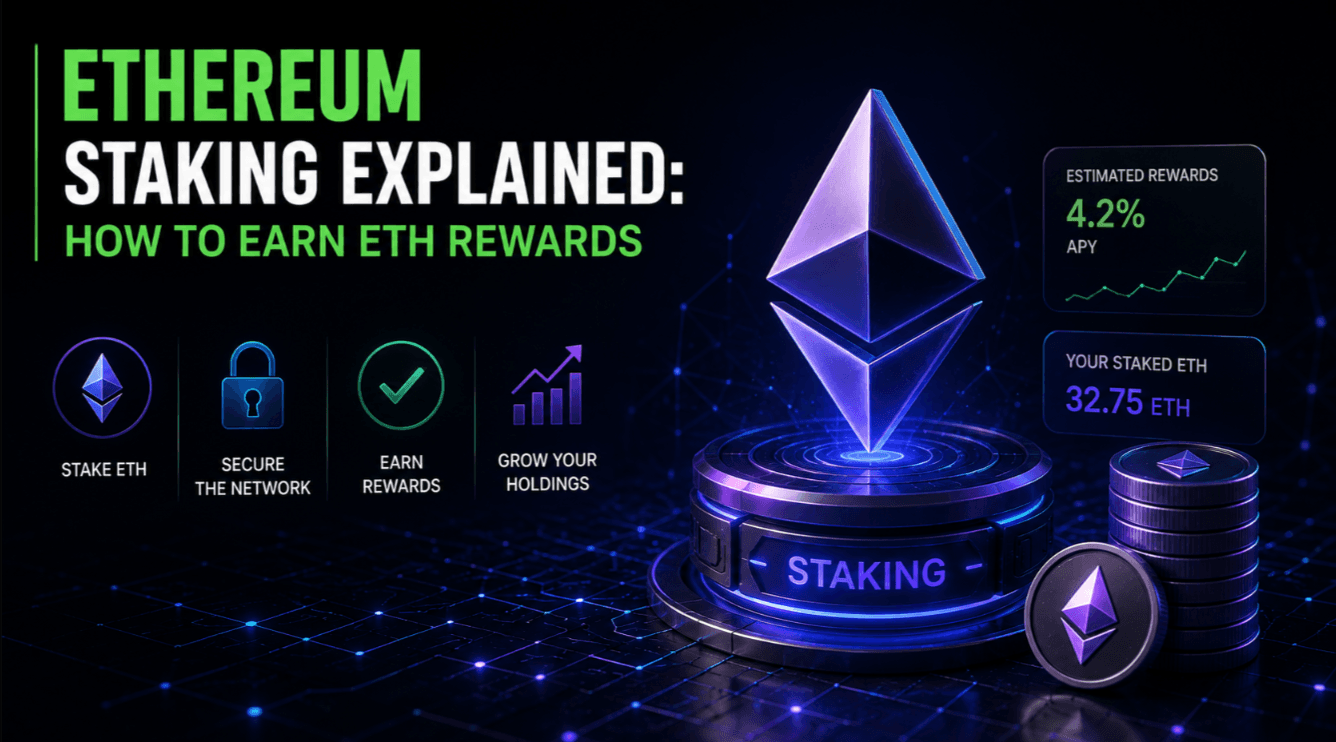
Ethereum Staking Explained: How to Earn ETH Rewards
Staking lets ETH holders earn rewards while helping secure Ethereum. Here is how staking works, the different ways to do it, and the trade-offs to weigh first.
James Park · June 14, 2026→