Bitcoin· 9 min
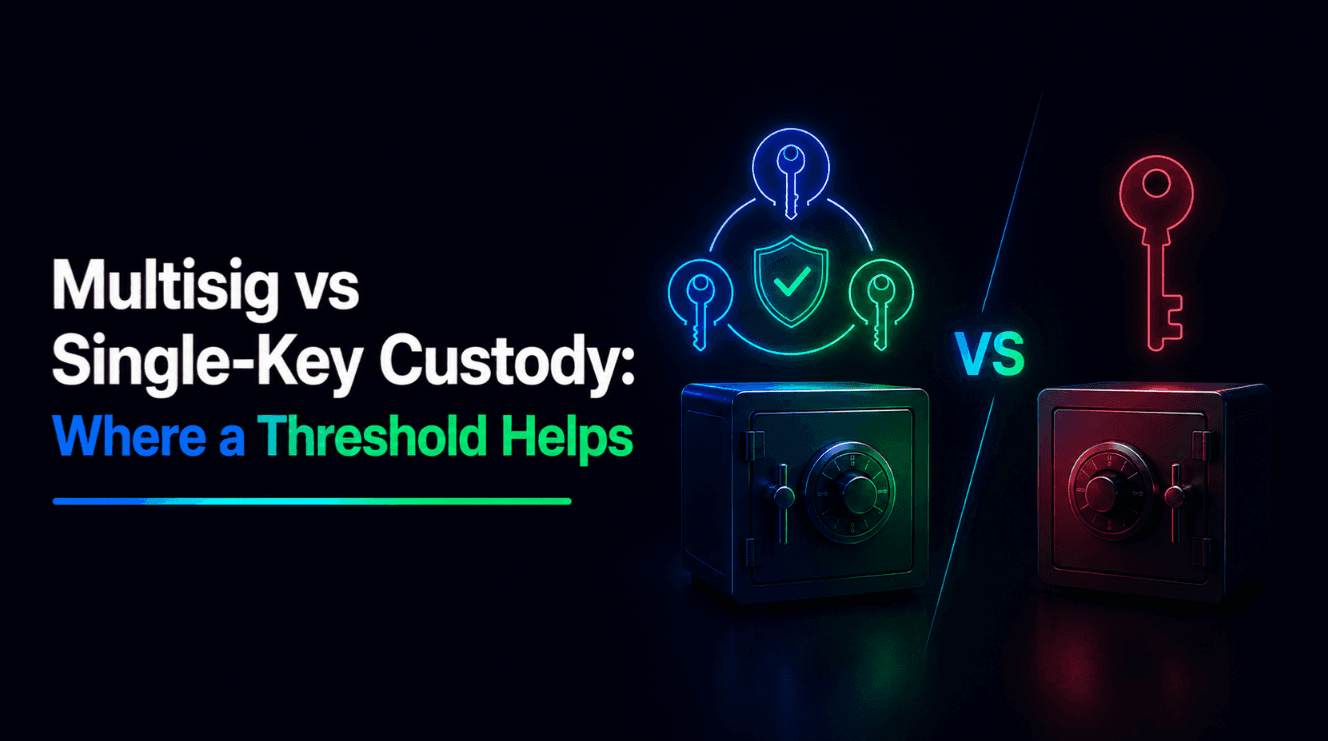
Multisig is sold as strictly safer than holding one key, which is not what a threshold scheme does. It trades one failure mode for a different set, and whether that trade is good depends on which failure you are actually trying to survive.
James Park · September 27, 2026→
DeFi· 8 min
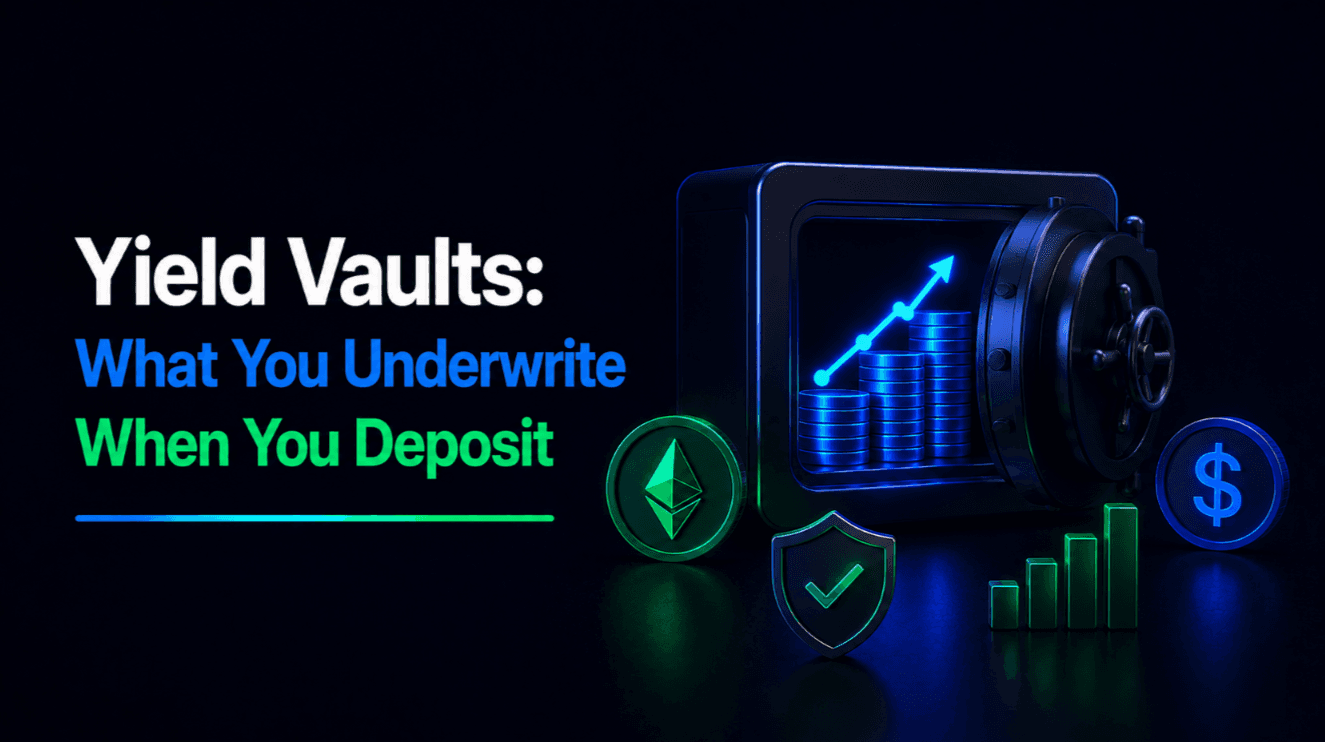
Depositing into a yield vault outsources a decision, and the thing most depositors miss is which decision. You are not buying a rate; you are underwriting a portfolio you did not select and cannot see, assembled by someone who can change it while your capital is inside.
James Park · September 21, 2026→
DeFi· 8 min
Two protocols advertise the same rate. One is distributing money that users paid it. The other is distributing tokens it created for the purpose. Nothing on the interface distinguishes them, and the difference is the whole of the analysis.
James Park · September 15, 2026→
DeFi· 8 min
A staking receipt trades at one price and redeems at another. The gap between them is not a malfunction — it is the market pricing the exit queue — and reading it correctly means knowing which of the two numbers is a promise.
James Park · September 9, 2026→
DeFi· 8 min
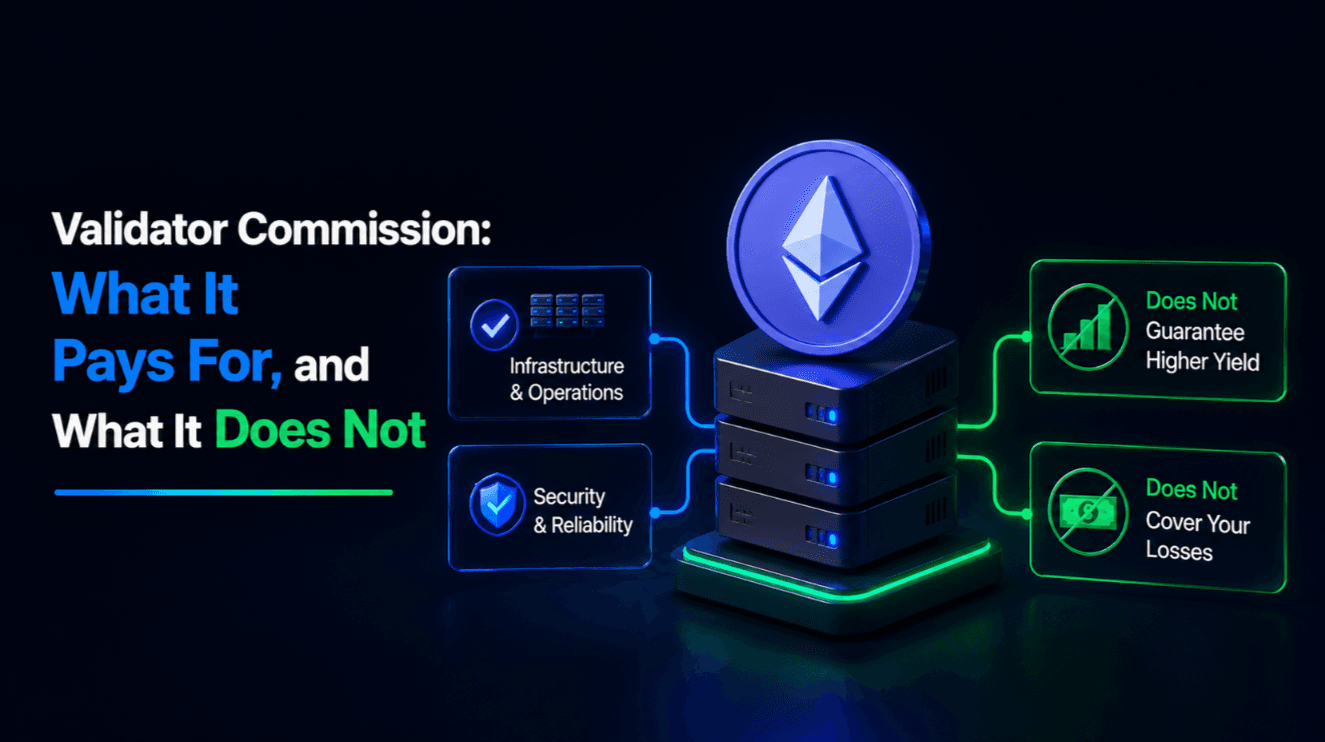
Commission is the single largest controllable variable in staking, it is deducted before you ever see the number, and the range between the cheapest and most expensive route to the same protocol reward is wide enough to dwarf every other decision you make.
James Park · September 3, 2026→
Bitcoin· 10 min
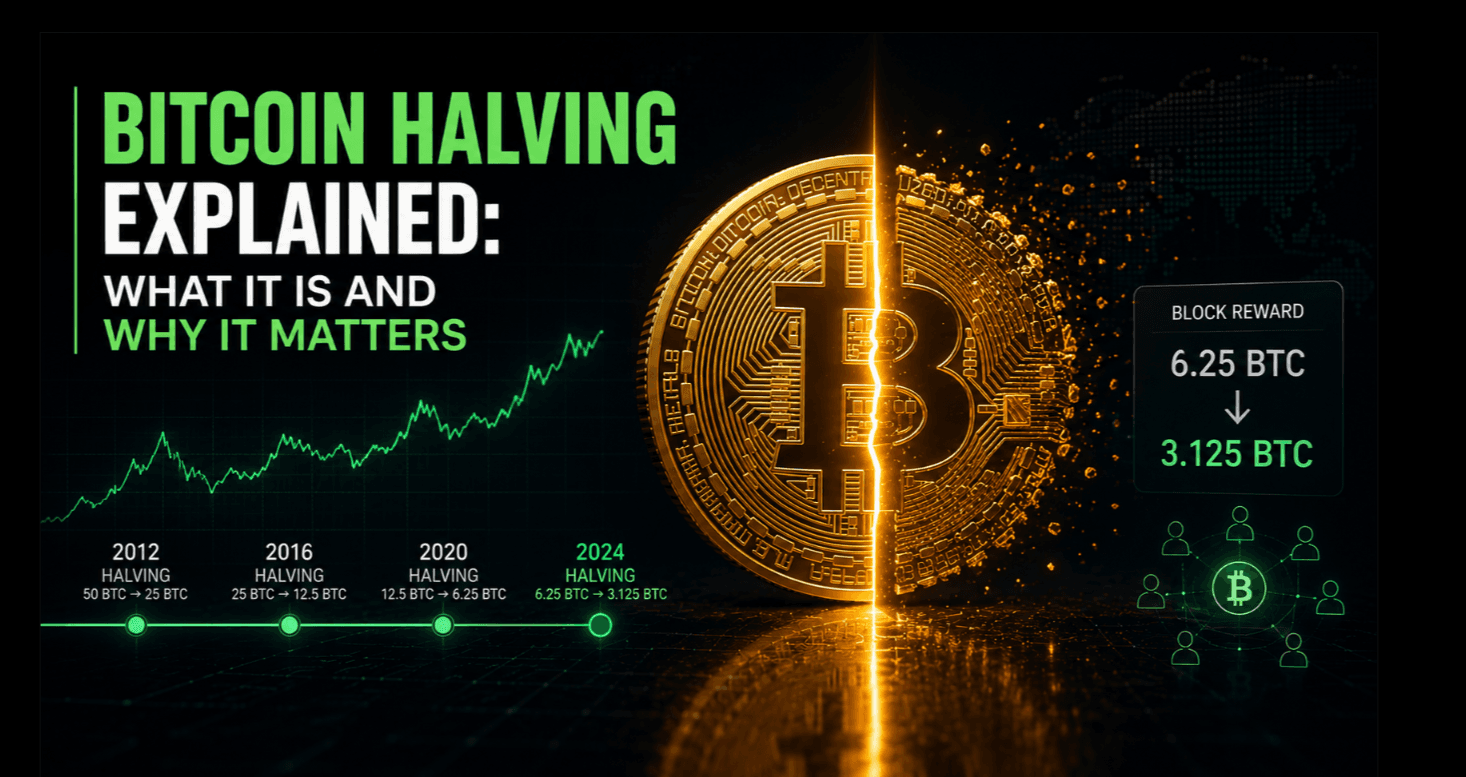
Roughly every four years Bitcoin halves the reward paid to miners, slowing new supply. Here is how the halving works and why investors pay attention.
James Park · June 16, 2026→
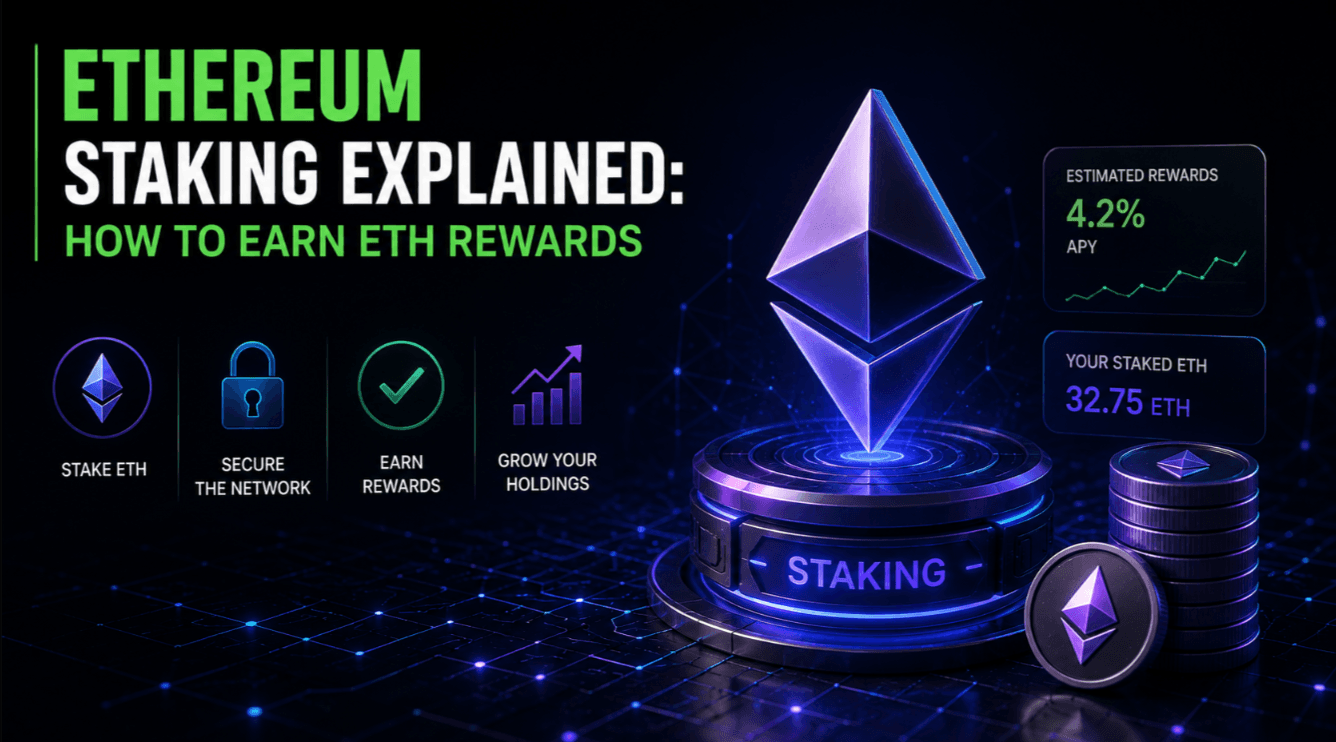
Ethereum· 10 min
Staking lets ETH holders earn rewards while helping secure Ethereum. Here is how staking works, the different ways to do it, and the trade-offs to weigh first.
James Park · June 14, 2026→
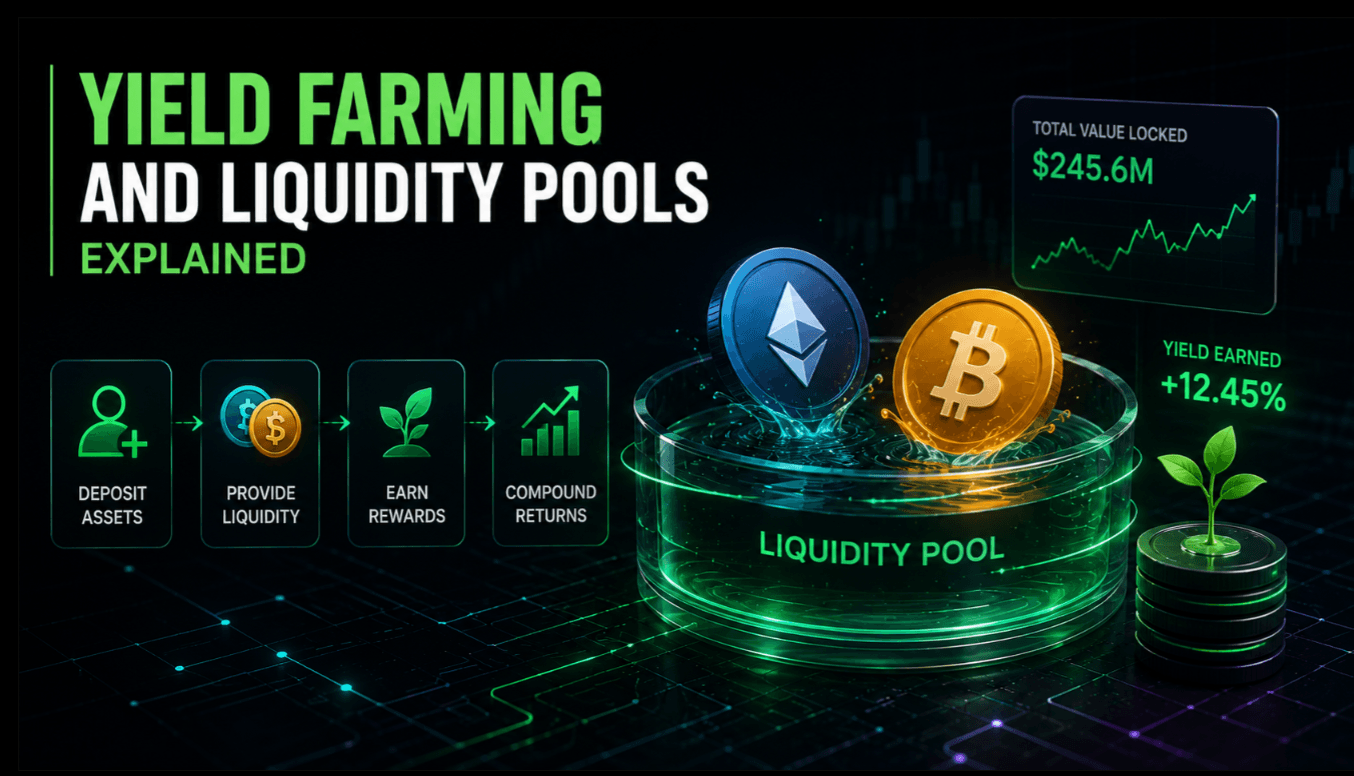
DeFi· 10 min
Yield farming lets you earn returns by supplying assets to DeFi protocols, often through liquidity pools. Here is where those returns come from and what can go wrong.
James Park · June 12, 2026→
Regulation· 10 min
Selling, swapping, spending or earning crypto can create a tax bill. Here is how the main concepts work and why your records matter more than you think.
James Park · June 10, 2026→
Markets· 9 min
On-chain data turns a public blockchain into a window on real user behaviour. Here is how to read the core metrics, and how to avoid drawing the wrong conclusions from them.
James Park · June 10, 2026→
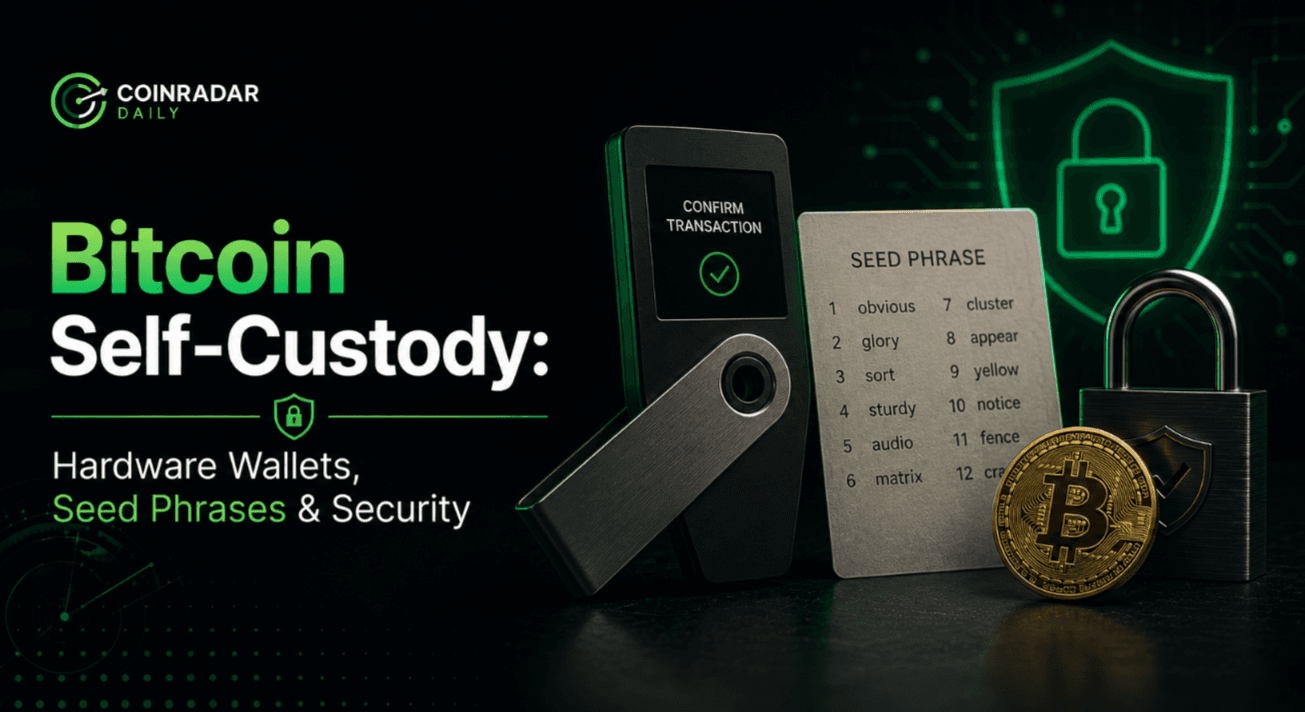
Bitcoin· 11 min
Self-custody means holding your own keys. Here is how hardware wallets and seed phrases protect Bitcoin, and the security habits that prevent loss.
James Park · May 25, 2026→
Ethereum· 9 min
Ethereum and Bitcoin are the two largest crypto networks, but they were built for different goals. Here is a clear comparison of how they differ and where each one shines.
James Park · May 24, 2026→
DeFi· 10 min
DeFi opens powerful financial tools to anyone, but it also removes the safety nets of traditional finance. Here are the main risks and the habits that help you avoid them.
James Park · May 24, 2026→
Regulation· 10 min
Whether a token is a security or a commodity decides which rules apply and who supervises it. Here is how regulators draw that line and why it is so contested.
James Park · May 22, 2026→
Markets· 10 min
Returns get the attention, but risk management decides who survives. Here is how position sizing, stop-losses, and sensible limits keep you in the game.
James Park · May 19, 2026→