DeFi· 8 min
Depositing into a yield vault outsources a decision, and the thing most depositors miss is which decision. You are not buying a rate; you are underwriting a portfolio you did not select and cannot see, assembled by someone who can change it while your capital is inside.
James Park · September 21, 2026→
DeFi· 9 min
A liquidation cascade is not simply a lot of liquidations. It is a feedback loop in which the mechanism designed to protect the protocol becomes the thing driving the price down, and it has a recognisable sequence with identifiable points where it can be broken.
Emily Volker · September 19, 2026→
DeFi· 9 min
An on-chain lending market has no rate-setting committee. It has a curve, published in advance, that converts one observable number into the price of credit — and the shape of that curve encodes every decision the protocol has made about who it is protecting.
Olivia Bennett · September 17, 2026→
DeFi· 8 min
Two protocols advertise the same rate. One is distributing money that users paid it. The other is distributing tokens it created for the purpose. Nothing on the interface distinguishes them, and the difference is the whole of the analysis.
James Park · September 15, 2026→
DeFi· 9 min
Every staking protocol describes itself as decentralised. The claim is measurable from public data, the measurement takes an afternoon, and the results routinely differ from the marketing in ways that matter to anyone holding the receipt token.
Emily Volker · September 13, 2026→
DeFi· 9 min
Restaking sells one idea: capital already securing a network can secure others at the same time and earn twice. The arithmetic on the reward side is straightforward. The arithmetic on the risk side is where the argument is, because the failures are not independent events.
Olivia Bennett · September 11, 2026→
DeFi· 8 min
A staking receipt trades at one price and redeems at another. The gap between them is not a malfunction — it is the market pricing the exit queue — and reading it correctly means knowing which of the two numbers is a promise.
James Park · September 9, 2026→
DeFi· 8 min
Every proof-of-stake network puts a delay between deciding to unstake and holding the asset again. That delay is not an inconvenience the designers failed to remove; it is load-bearing, and it lengthens under precisely the conditions that make people want to leave.
Emily Volker · September 7, 2026→
DeFi· 9 min
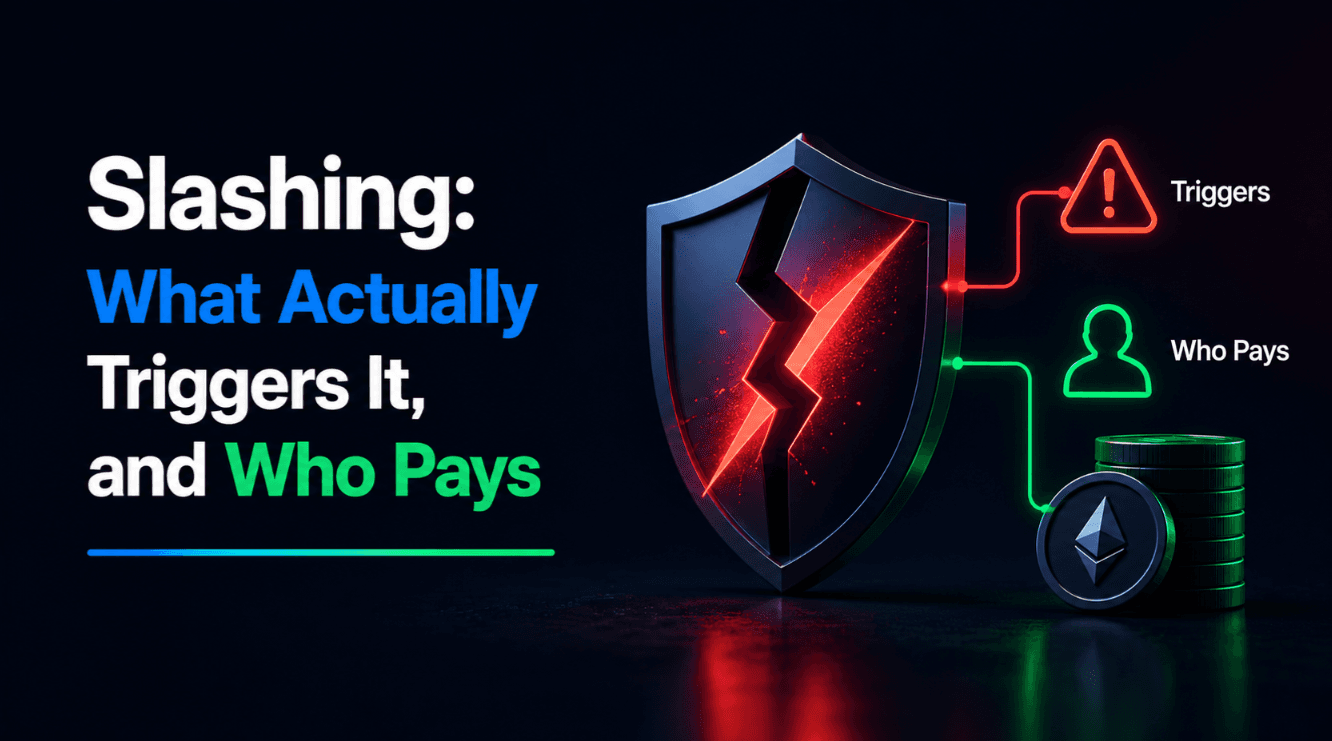
Slashing is treated as a vague background risk in most staking marketing. It is not vague: it punishes a specific, provable class of behaviour, it is separate from the penalty for simply being offline, and the question of who absorbs it is answered in a document almost nobody reads.
Olivia Bennett · September 5, 2026→
DeFi· 8 min
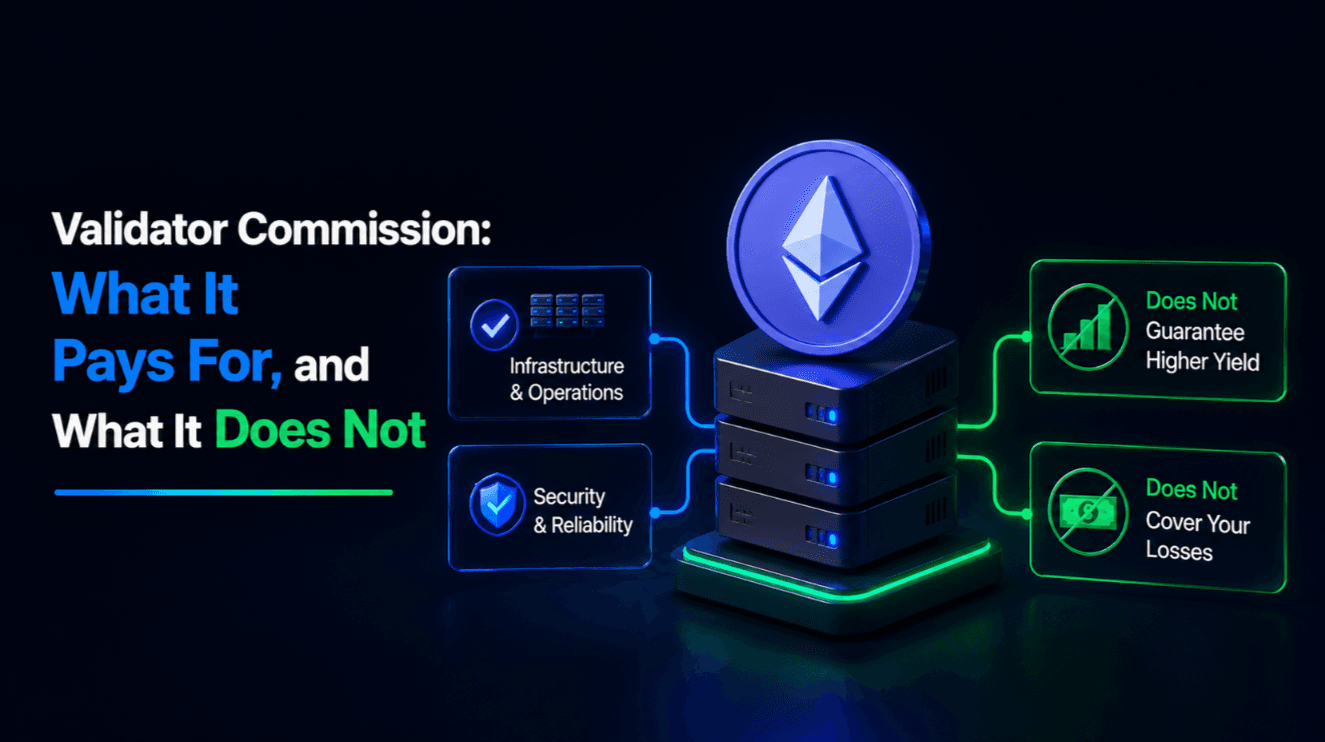
Commission is the single largest controllable variable in staking, it is deducted before you ever see the number, and the range between the cheapest and most expensive route to the same protocol reward is wide enough to dwarf every other decision you make.
James Park · September 3, 2026→
DeFi· 9 min
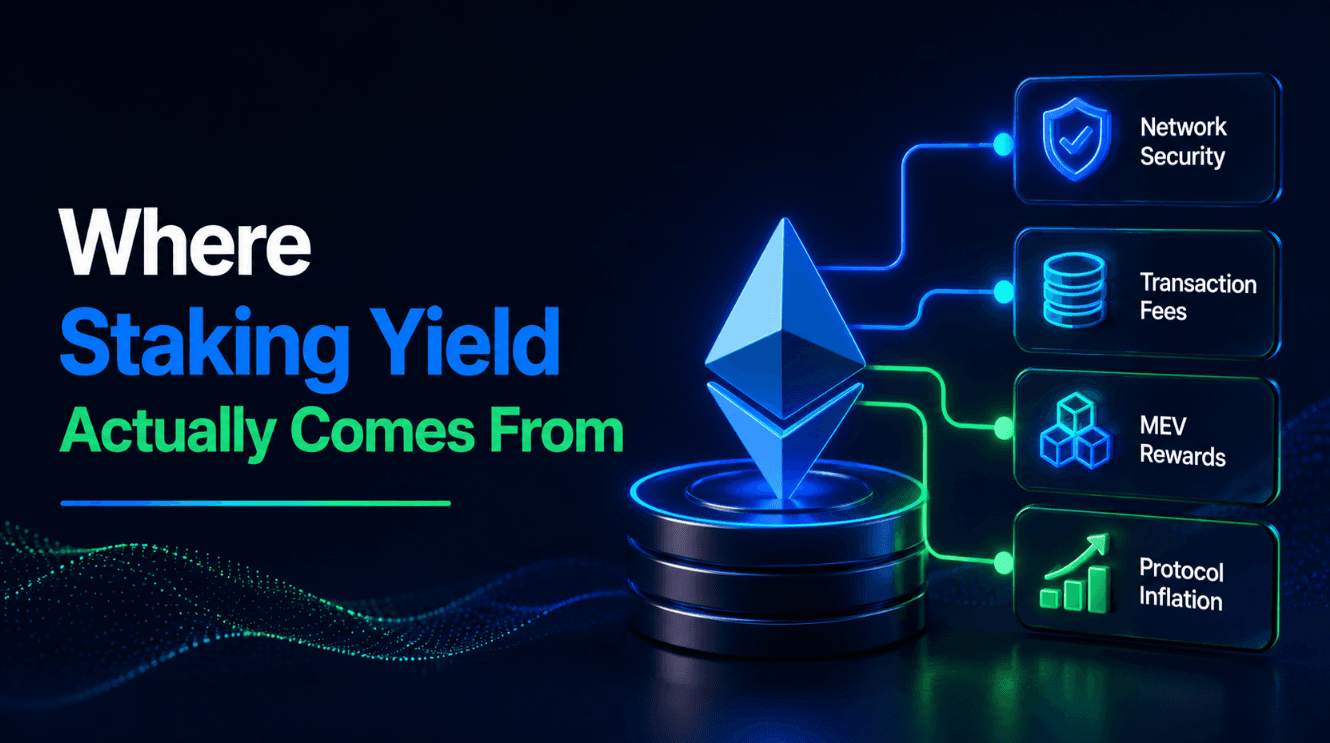
A staking return is not one number. It is three separate revenue streams with different origins, different volatility and different answers to the only question that matters: is anyone actually paying you, or are you being handed a larger slice of a diluted pie?
Emily Volker · September 1, 2026→
DeFi· 9 min
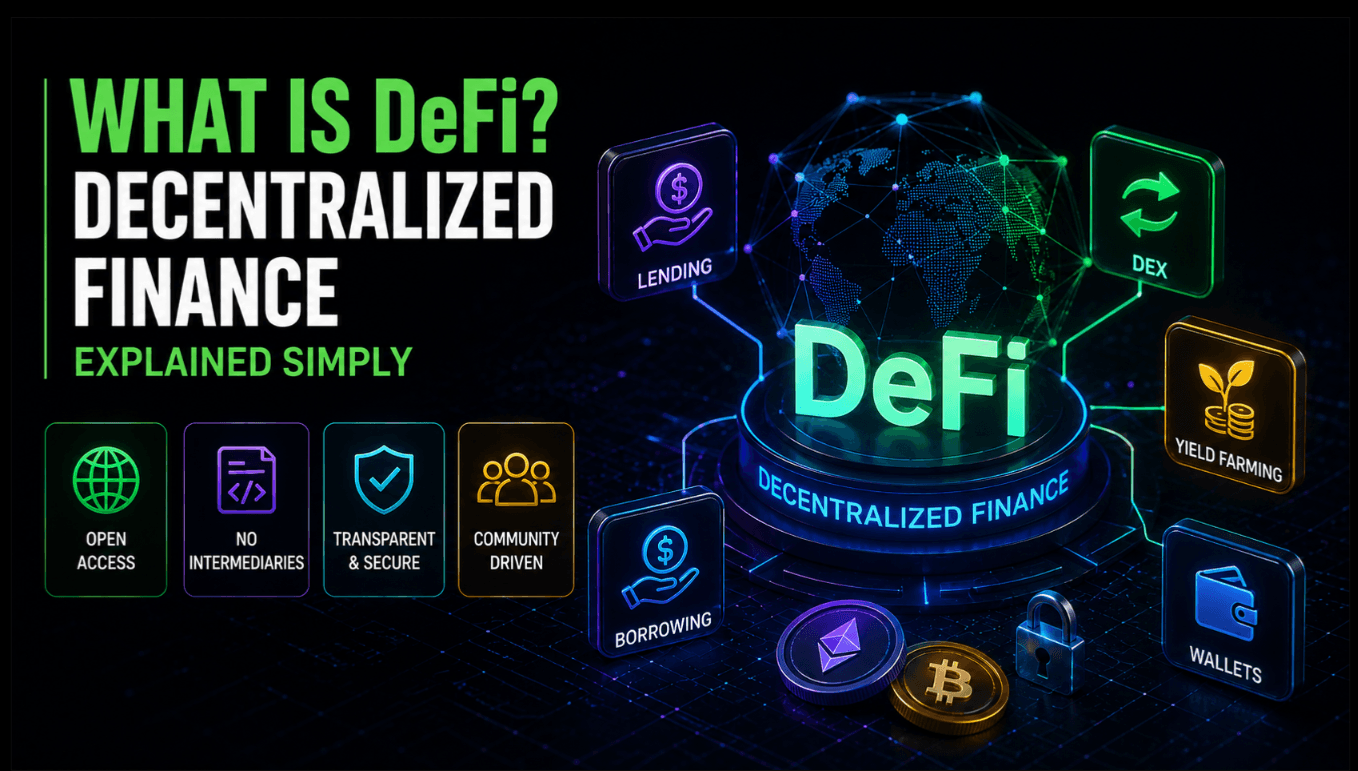
DeFi rebuilds financial services on public blockchains so anyone with a wallet can lend, borrow, and trade without a bank or broker in the middle. Here is how it actually works.
Emily Volker · June 22, 2026→
DeFi· 10 min
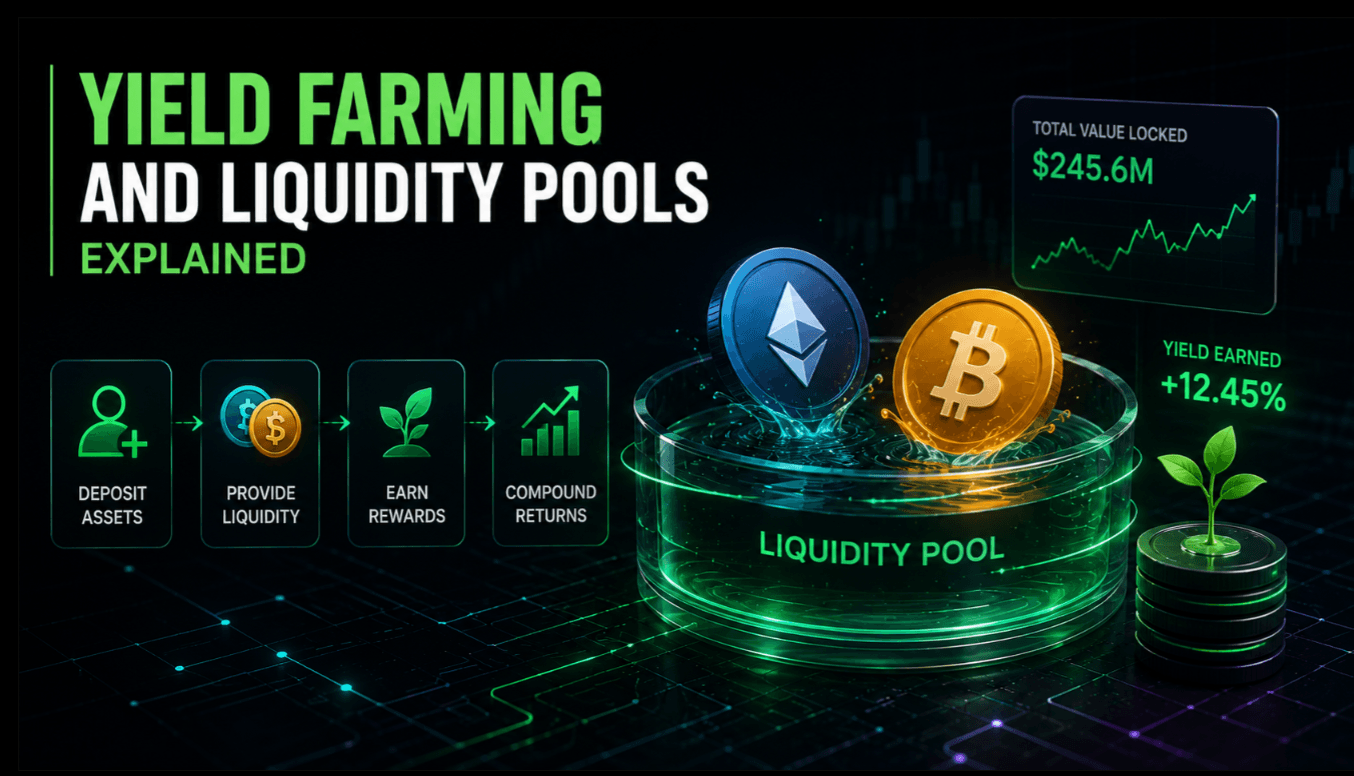
Yield farming lets you earn returns by supplying assets to DeFi protocols, often through liquidity pools. Here is where those returns come from and what can go wrong.
James Park · June 12, 2026→
DeFi· 8 min
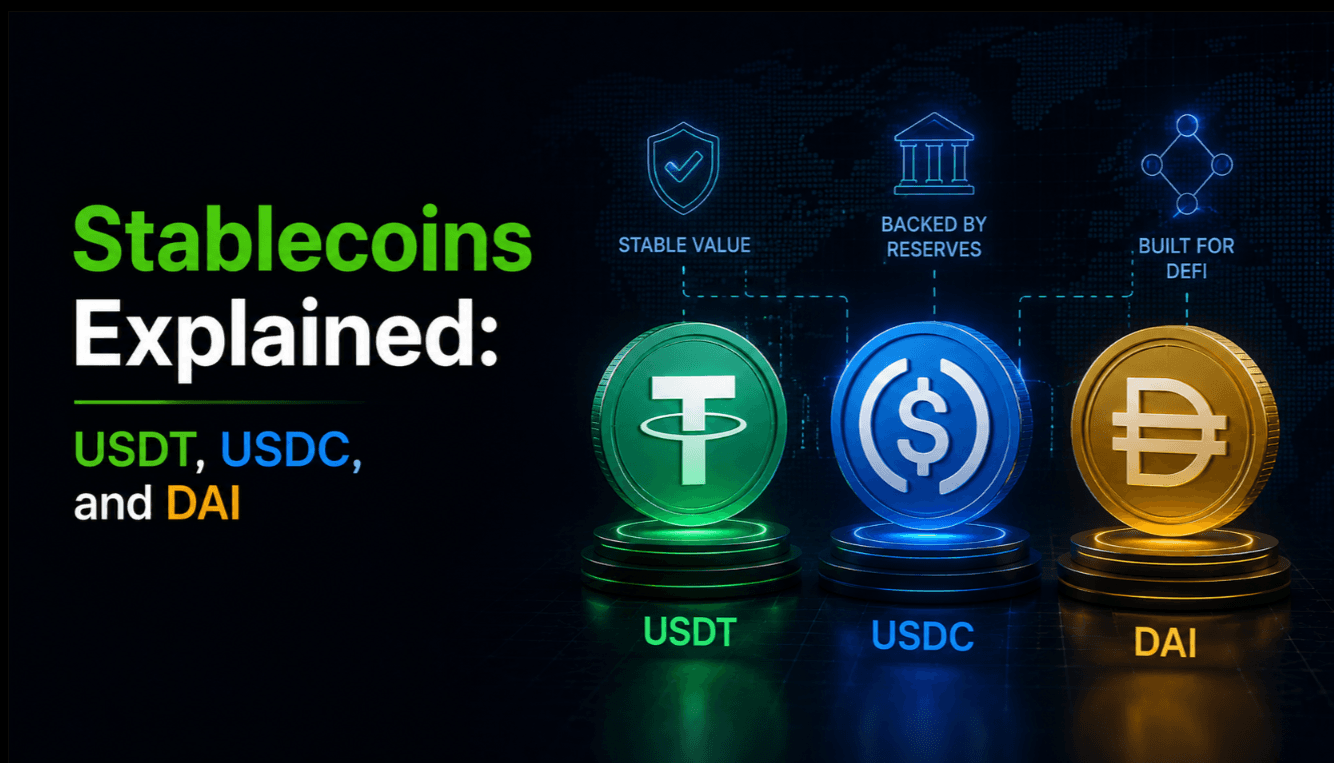
Stablecoins aim to hold a steady value, usually one US dollar, so crypto users can move and store money without volatility. Here is how USDT, USDC, and DAI differ.
Olivia Bennett · June 4, 2026→
DeFi· 9 min
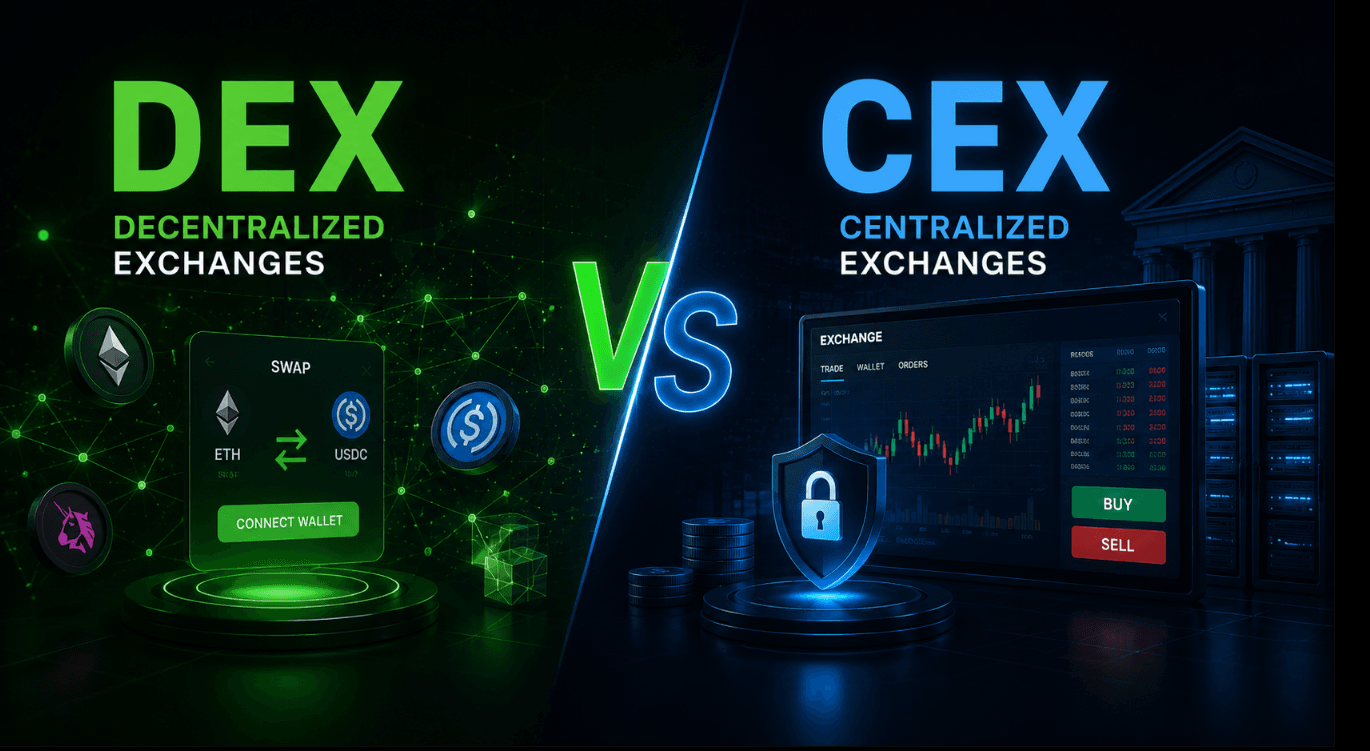
Centralized exchanges hold your funds and feel like apps; decentralized exchanges let you trade from your own wallet. Here is how the two compare and when to use each.
Emily Volker · May 26, 2026→
DeFi· 10 min
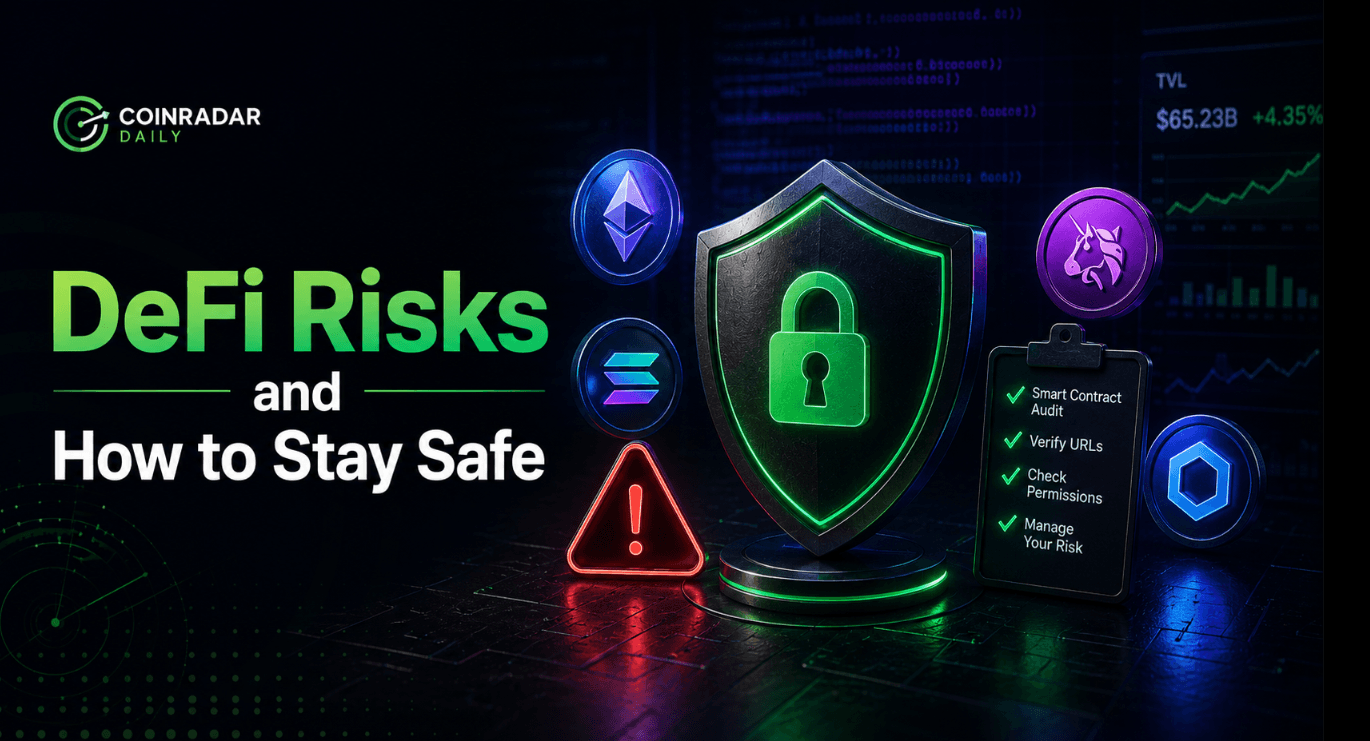
DeFi opens powerful financial tools to anyone, but it also removes the safety nets of traditional finance. Here are the main risks and the habits that help you avoid them.
James Park · May 24, 2026→