Bitcoin· 8 min
The dominant way people lose funds from a self-custodial wallet is not a compromised key. It is a permission they granted deliberately, months earlier, to a contract they have long forgotten — and which never expires.
Emily Volker · October 7, 2026→
Bitcoin· 8 min
Every self-custody guide teaches you to make your seed impossible for anyone else to use. Almost none address what happens when the one person who could use it is no longer available, which is a certainty rather than a risk.
Olivia Bennett · October 5, 2026→
Bitcoin· 8 min
Every signing device has to receive an unsigned transaction and return a signature. How that data crosses the gap decides what a compromised computer can attempt, and the three common answers differ more than the marketing suggests.
James Park · October 3, 2026→
Bitcoin· 7 min
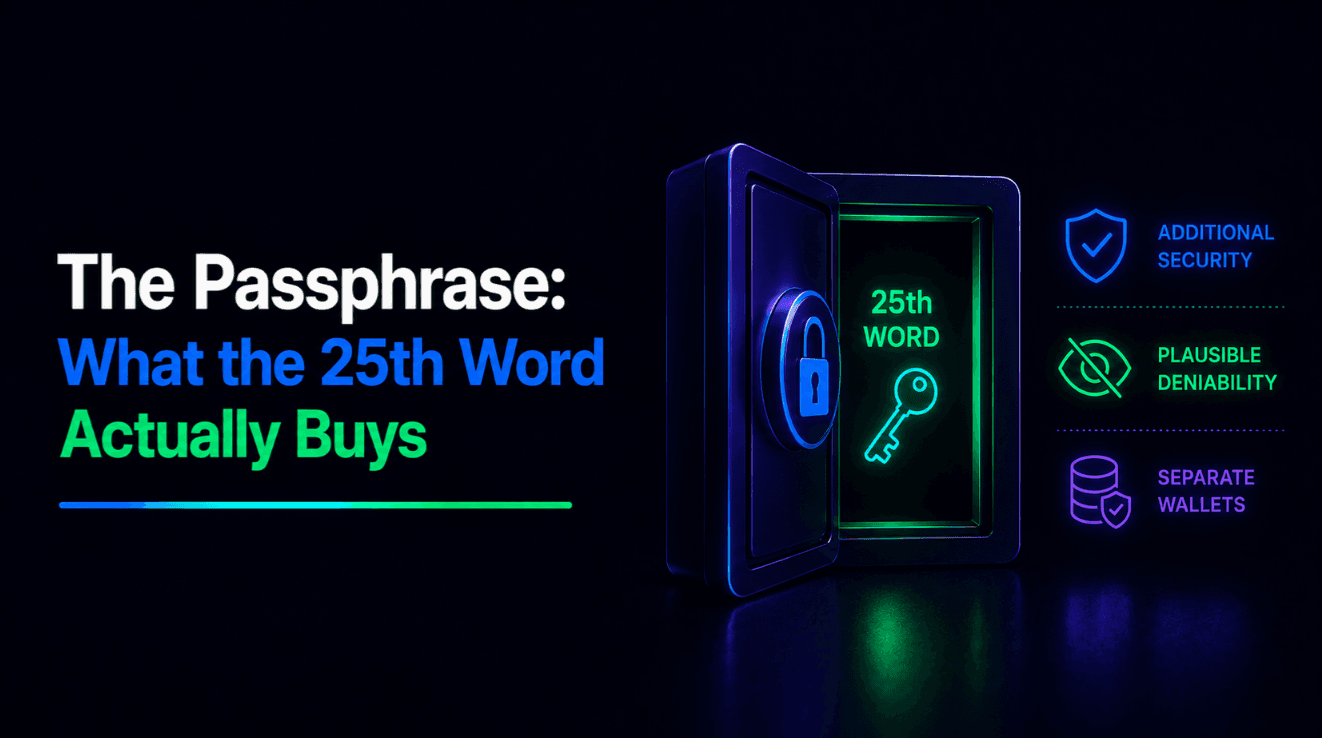
The passphrase is the most misunderstood feature on a signing device. It is genuinely powerful, it is the only defence against someone who has found your seed, and it is responsible for a large share of permanent self-custody losses.
Emily Volker · October 1, 2026→
Bitcoin· 8 min
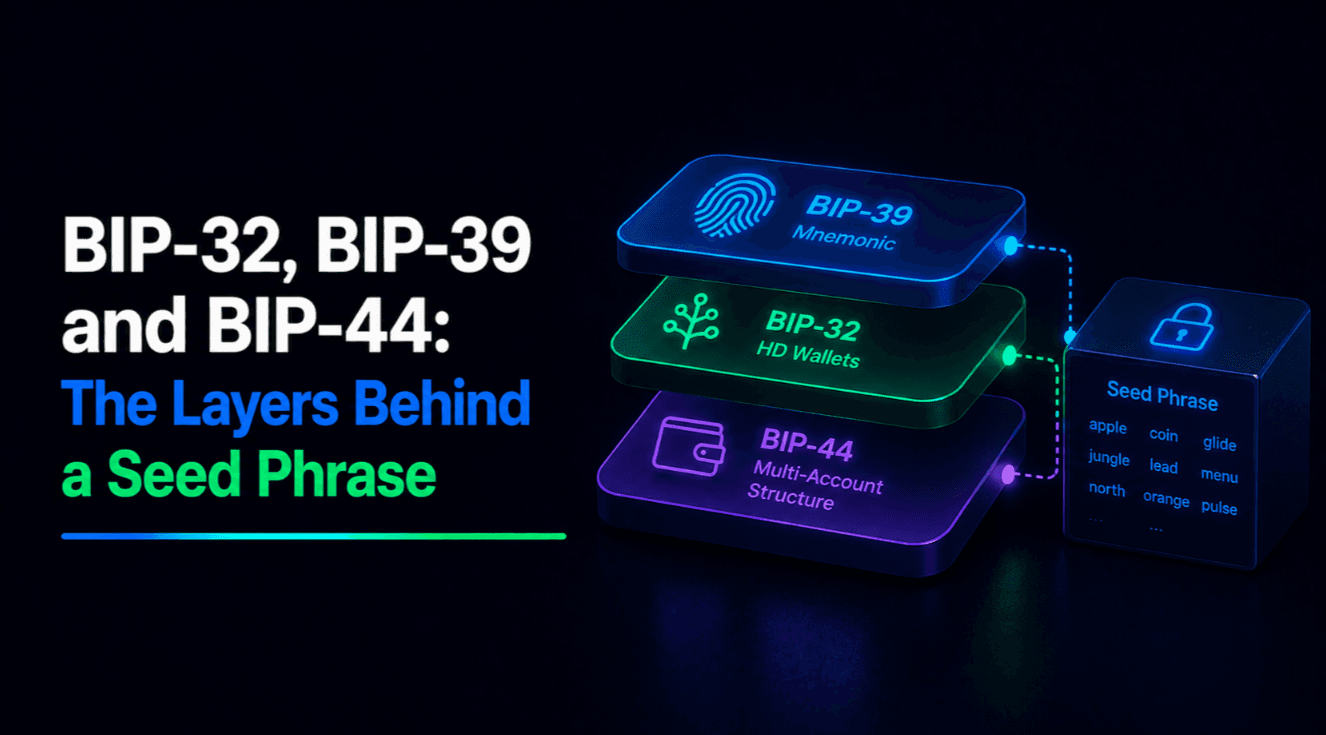
People say seed phrase as though it were one thing. It is three separate standards doing three separate jobs, and almost every case of a correct phrase restoring an empty wallet is a mismatch at one specific seam between them.
Olivia Bennett · September 29, 2026→
Bitcoin· 9 min
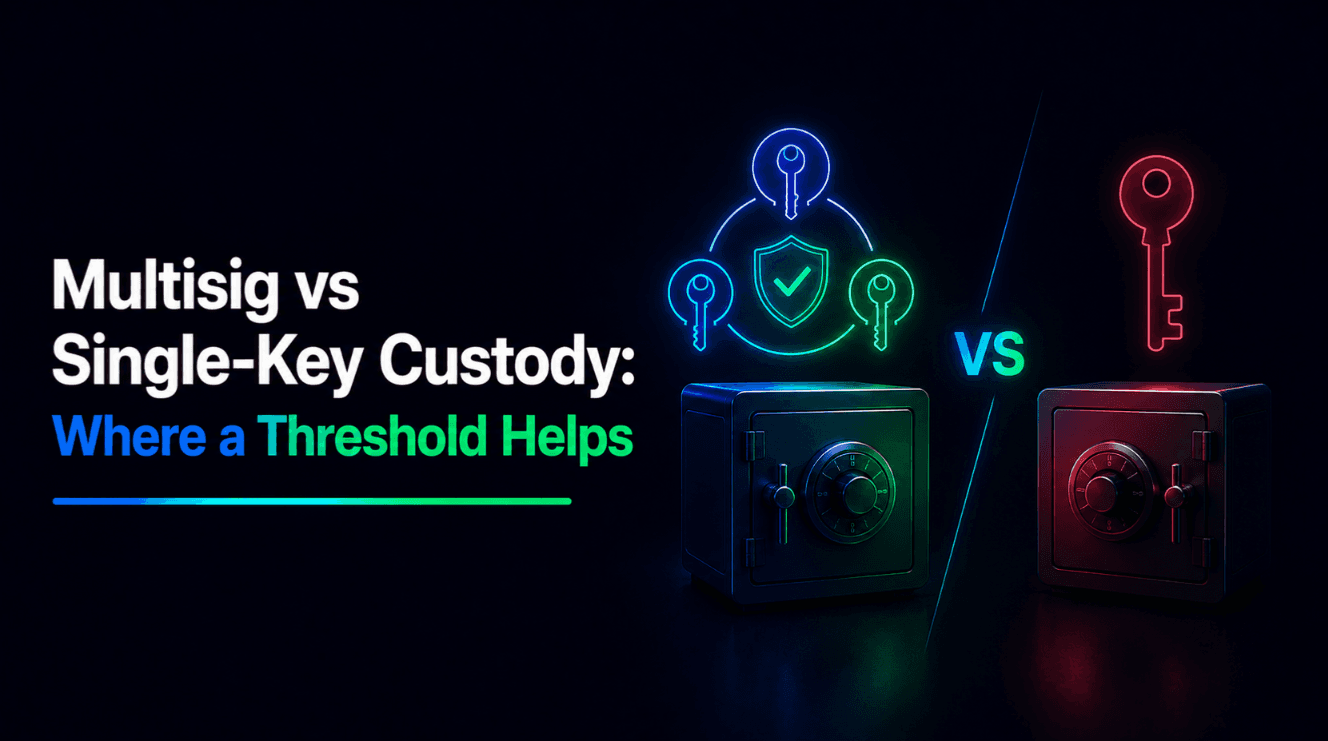
Multisig is sold as strictly safer than holding one key, which is not what a threshold scheme does. It trades one failure mode for a different set, and whether that trade is good depends on which failure you are actually trying to survive.
James Park · September 27, 2026→
Bitcoin· 8 min
Open source is treated as the end of the security argument for a signing device. It is the beginning of one. Between published source and the binary on your device sits a compilation step, and only a reproducible build closes it.
Emily Volker · September 25, 2026→
Bitcoin· 8 min
A secure element is one of the few genuinely strong components in consumer crypto hardware, and its certification is a real, audited claim. It is also a claim about a narrow question, and the marketing that surrounds it routinely stretches it to cover things it was never about.
Olivia Bennett · September 23, 2026→
Bitcoin· 9 min
Buying Bitcoin safely means using a regulated exchange, verifying your identity, paying through secure methods, and moving your coins into a wallet you control.
Emily Volker · June 24, 2026→
Bitcoin· 10 min
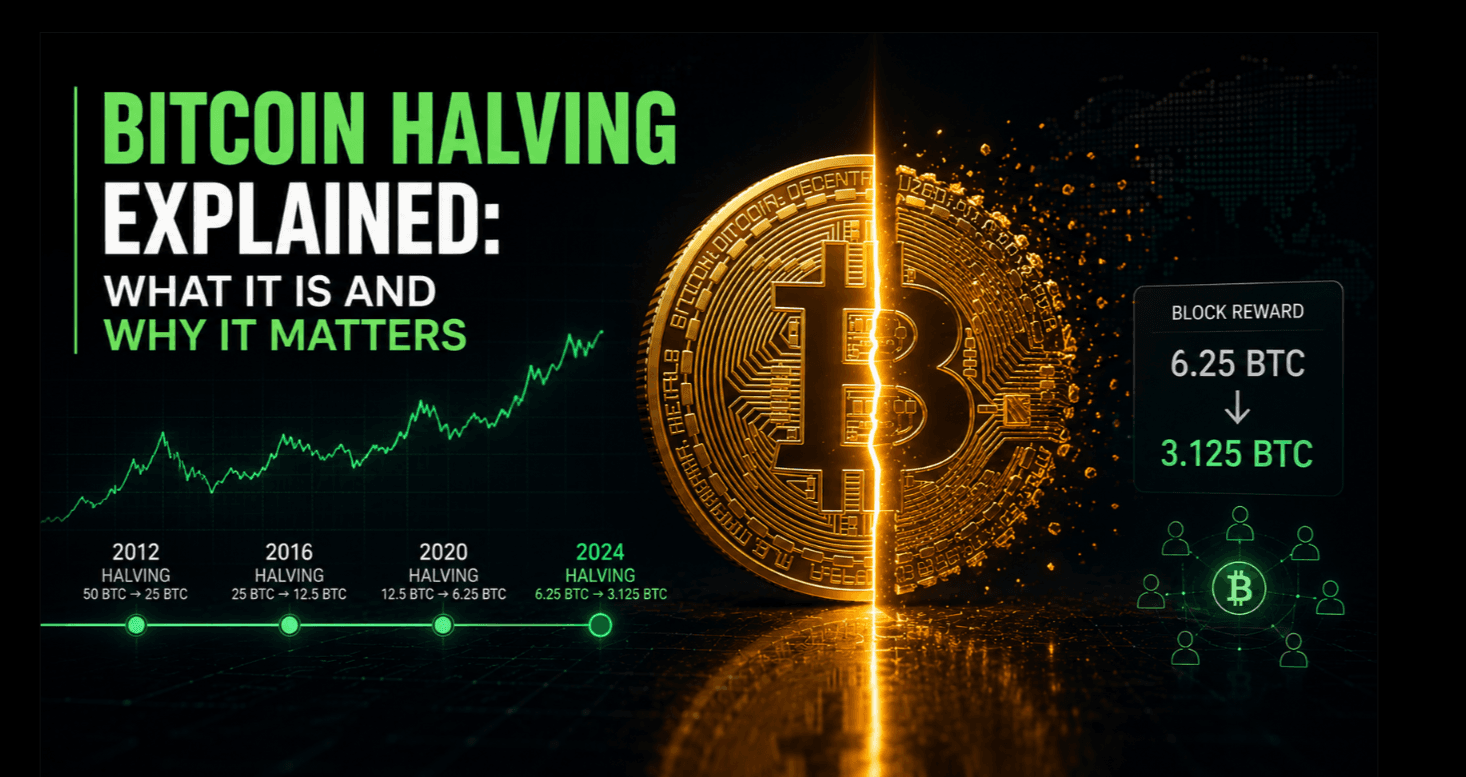
Roughly every four years Bitcoin halves the reward paid to miners, slowing new supply. Here is how the halving works and why investors pay attention.
James Park · June 16, 2026→
Bitcoin· 9 min
Bitcoin is often called digital gold, but the two assets store value very differently. Here is how they compare on scarcity, volatility, and risk.
Olivia Bennett · June 5, 2026→
Bitcoin· 11 min
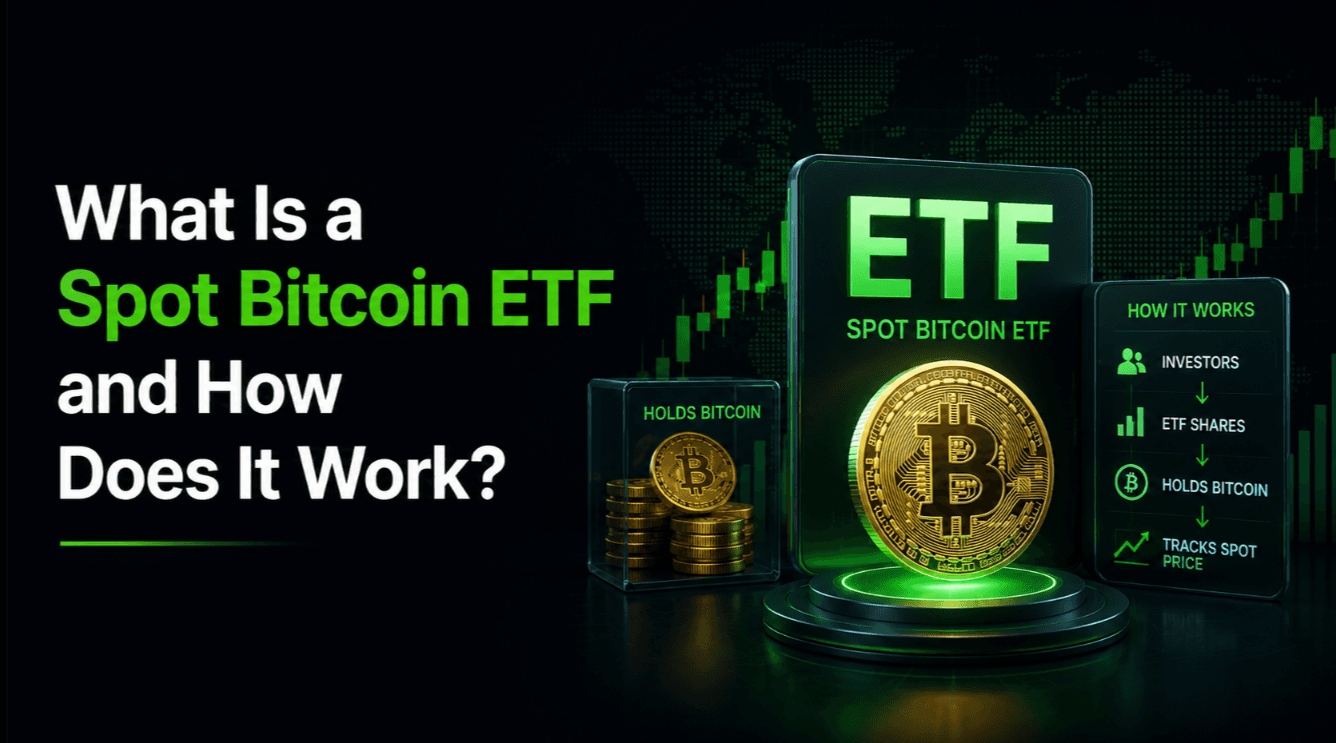
A spot Bitcoin ETF holds actual bitcoin and lets investors gain exposure through a brokerage account. Here is how it works and what you give up.
Emily Volker · June 1, 2026→
Bitcoin· 11 min
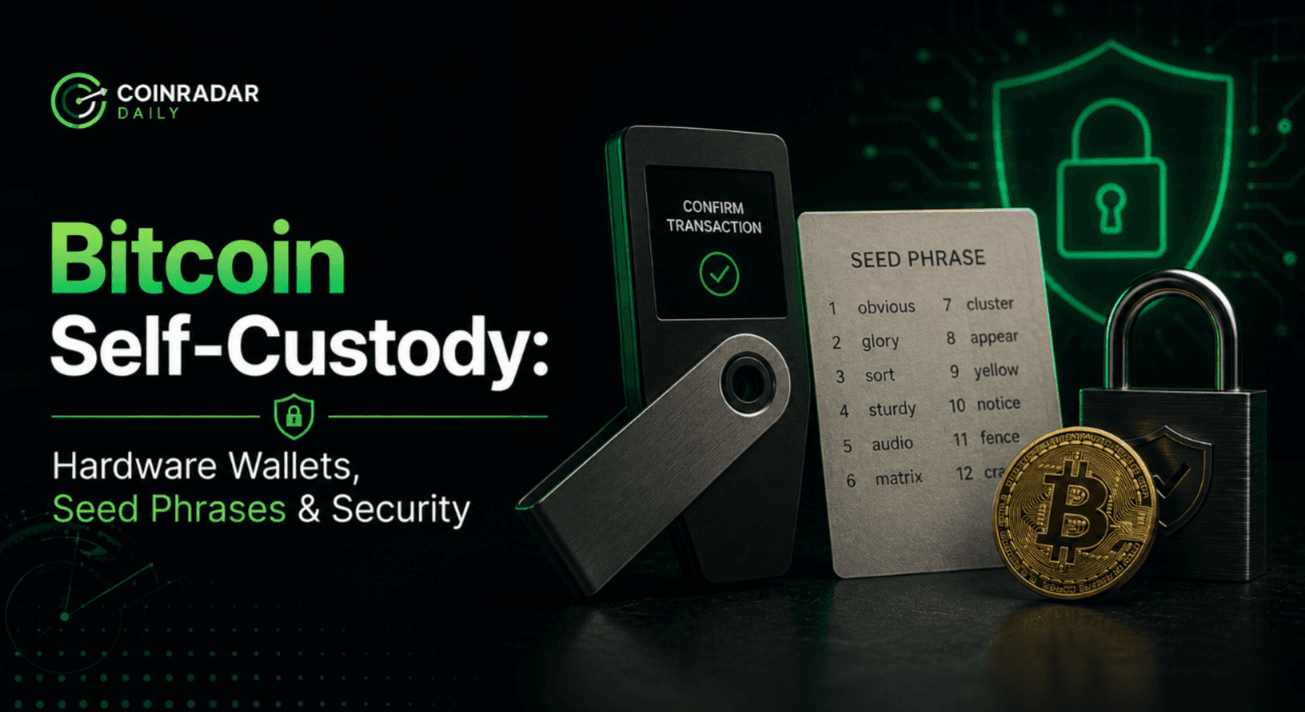
Self-custody means holding your own keys. Here is how hardware wallets and seed phrases protect Bitcoin, and the security habits that prevent loss.
James Park · May 25, 2026→