Markets· 9 min
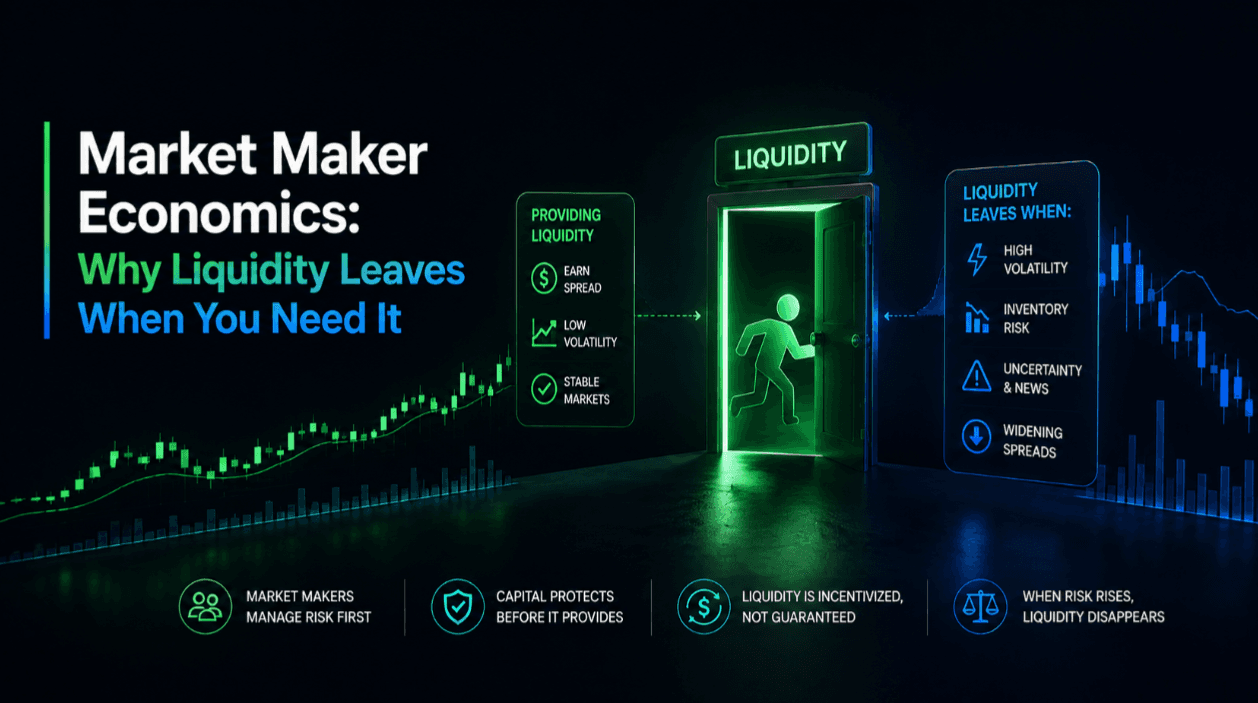
The most reliable observation in market structure is that liquidity is abundant when you do not need it and absent when you do. That is not a failure of the participants providing it — it is the direct consequence of how they get paid and how they lose.
Olivia Bennett · November 4, 2026→
Markets· 8 min
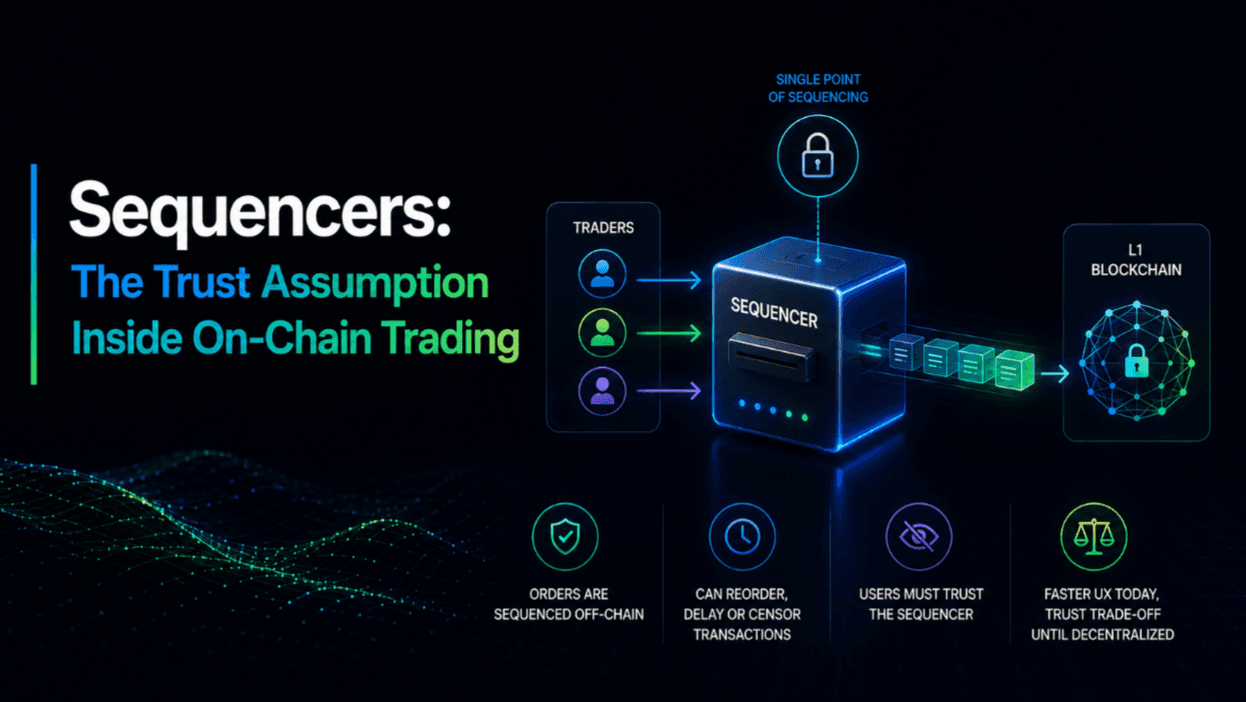
Trading on a rollup is described as on-chain, and settlement genuinely is. Ordering usually is not. A single operator decides what goes into each block and in what order, and the protections against that are real but narrower than the phrase suggests.
James Park · November 2, 2026→
Markets· 8 min
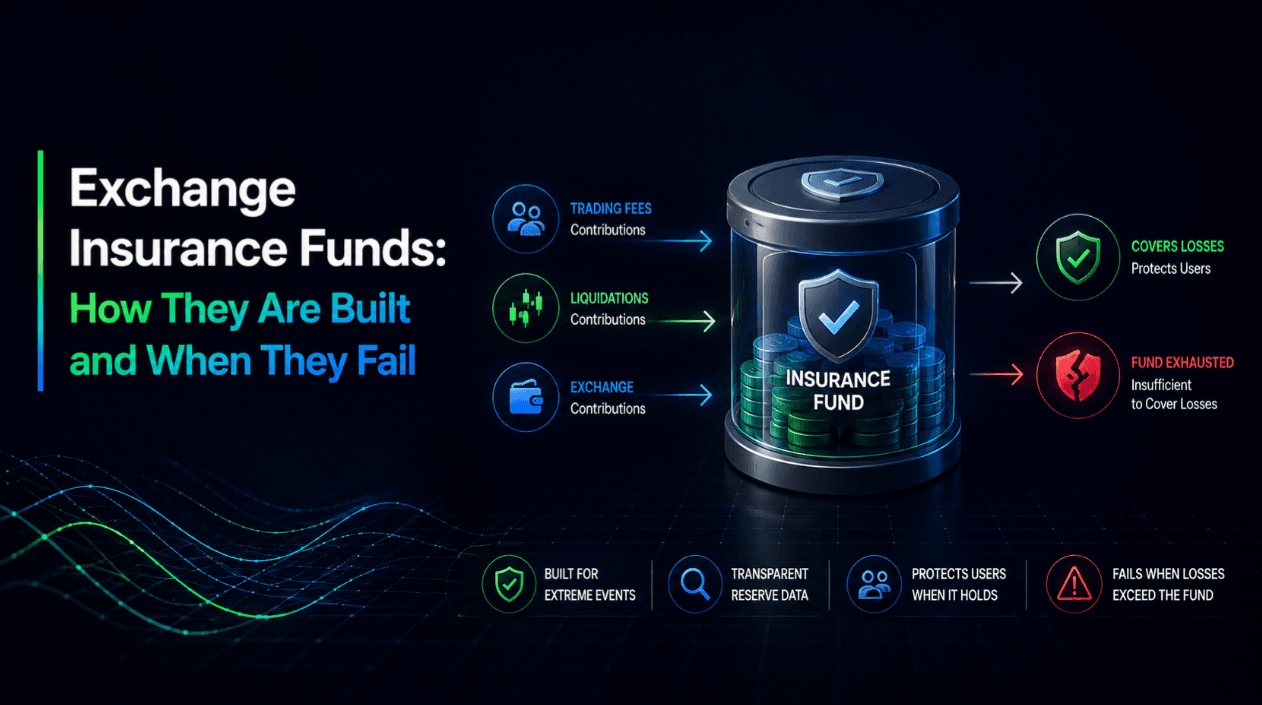
Derivatives venues advertise an insurance fund as though it were deposit protection. It is a buffer against one specific accounting problem, it is funded by the traders it protects, and the number that matters is not its size but its size relative to what could hit it.
Emily Volker · October 31, 2026→
Markets· 8 min
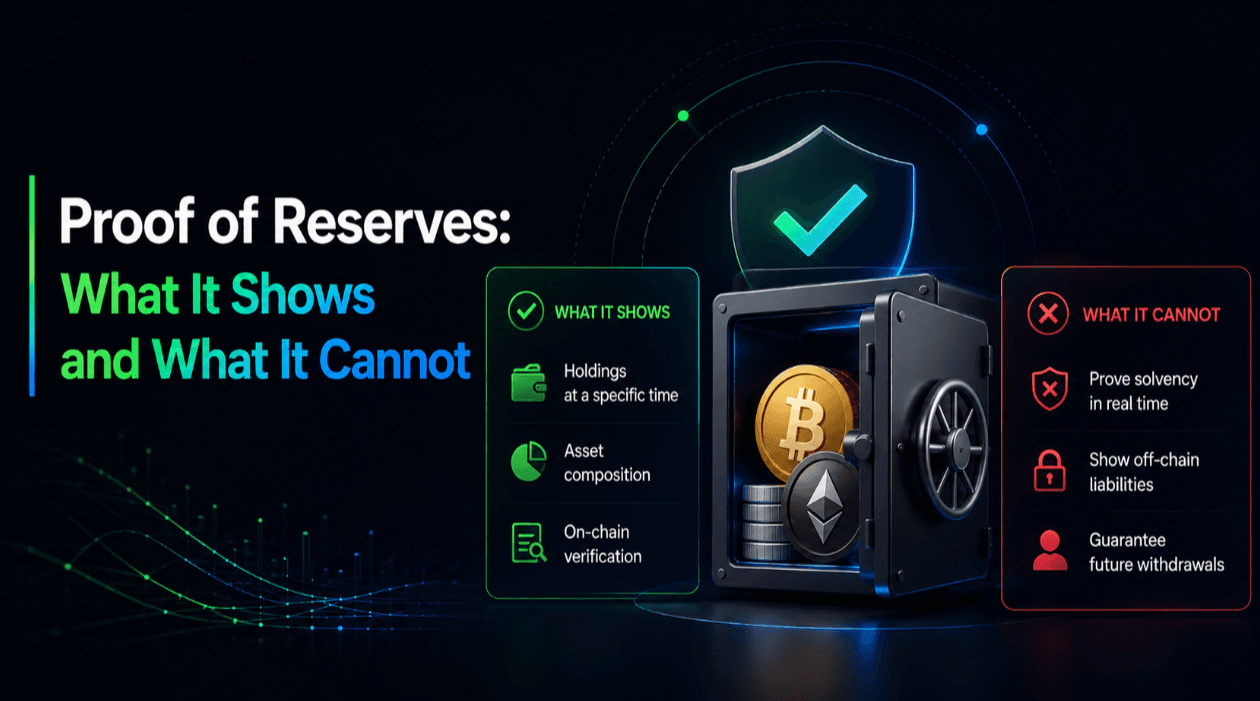
Proof of reserves is the standard answer to whether an exchange has your money, and it answers a narrower question than the name implies. Knowing exactly which question it answers is the difference between a useful check and false comfort.
Olivia Bennett · October 29, 2026→
Markets· 9 min
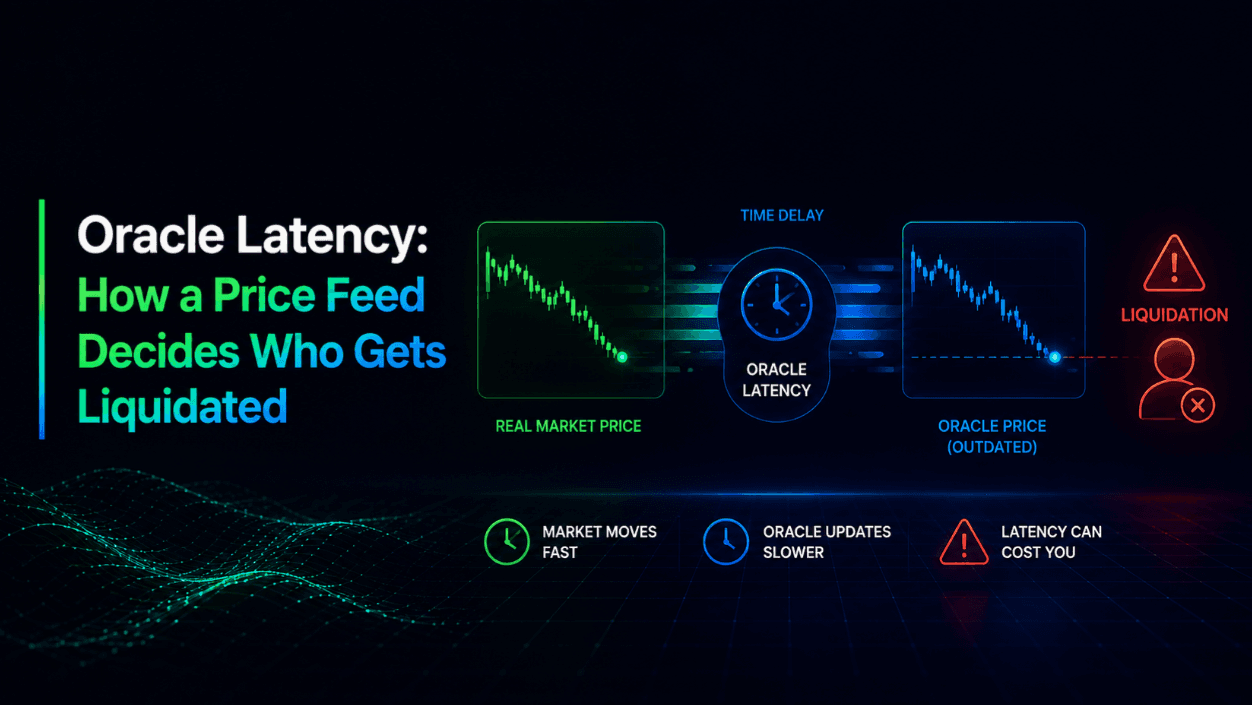
A lending protocol cannot see the market. It sees whatever its oracle last told it, and every liquidation, every borrow limit and every solvency check runs on that figure. The gap between the reported price and the real one is where a specific and expensive class of failure lives.
James Park · October 27, 2026→
Markets· 9 min
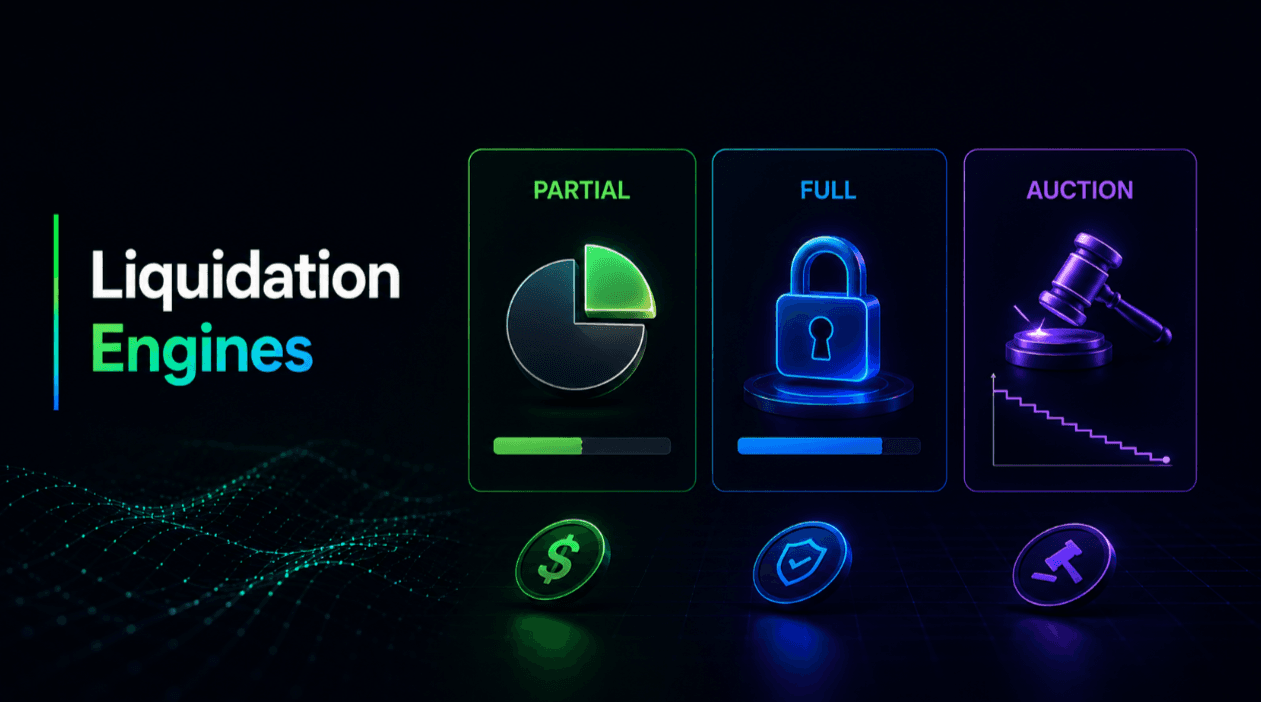
Every leveraged venue has a mechanism for closing positions that can no longer support themselves. The design of that mechanism decides whether a sharp move costs you your position, part of it, or more than you deposited.
Emily Volker · October 25, 2026→
Markets· 8 min
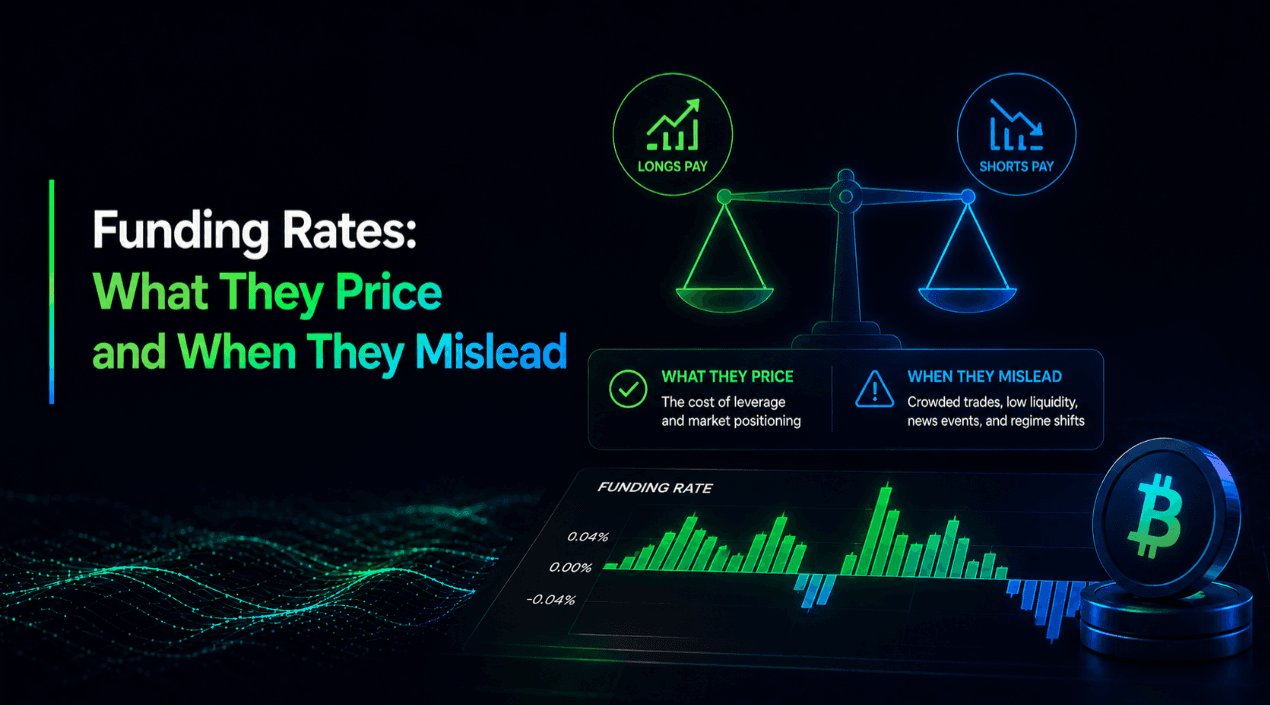
Funding is the mechanism that stops a contract with no expiry from drifting away from the asset it tracks. It is routinely read as a measure of market sentiment, which is a plausible interpretation and an unreliable one.
Olivia Bennett · October 23, 2026→
Markets· 9 min
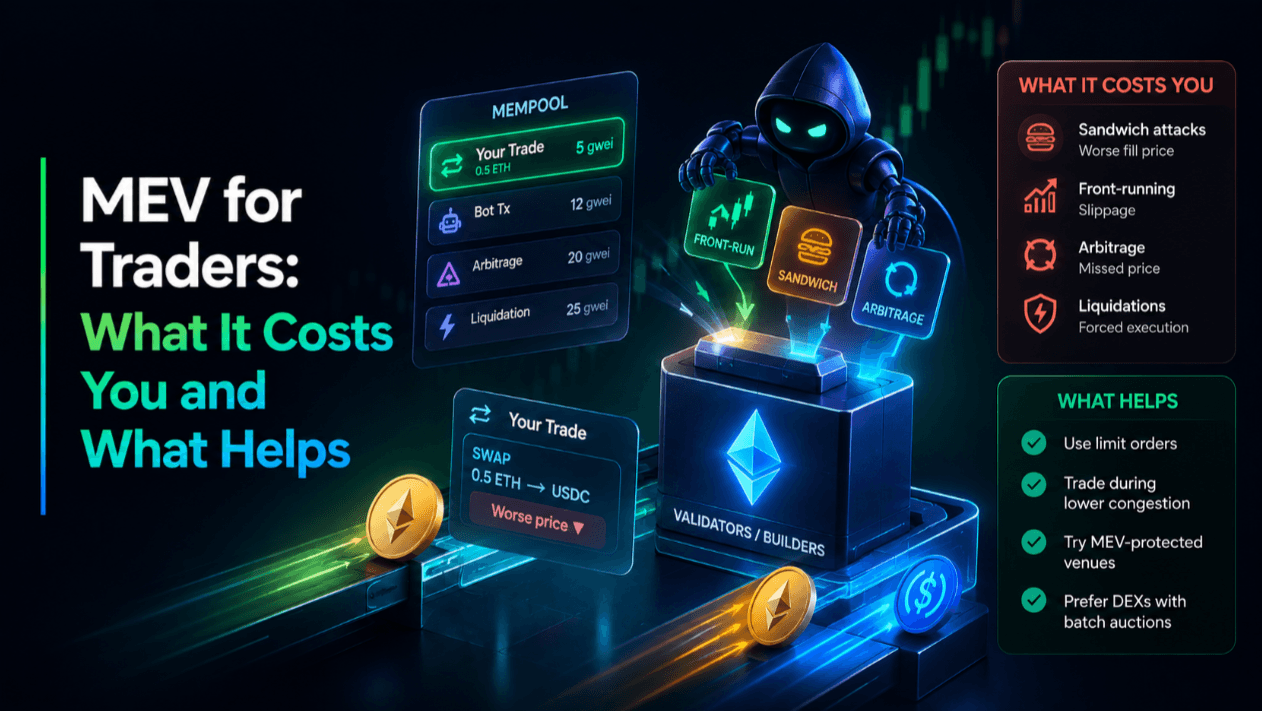
On a public chain, a transaction is visible to everyone before it is final. That visibility has a price, most traders pay it without noticing, and the amount they pay is partly set by a wallet setting they were told to increase when transactions failed.
James Park · October 21, 2026→
Markets· 8 min
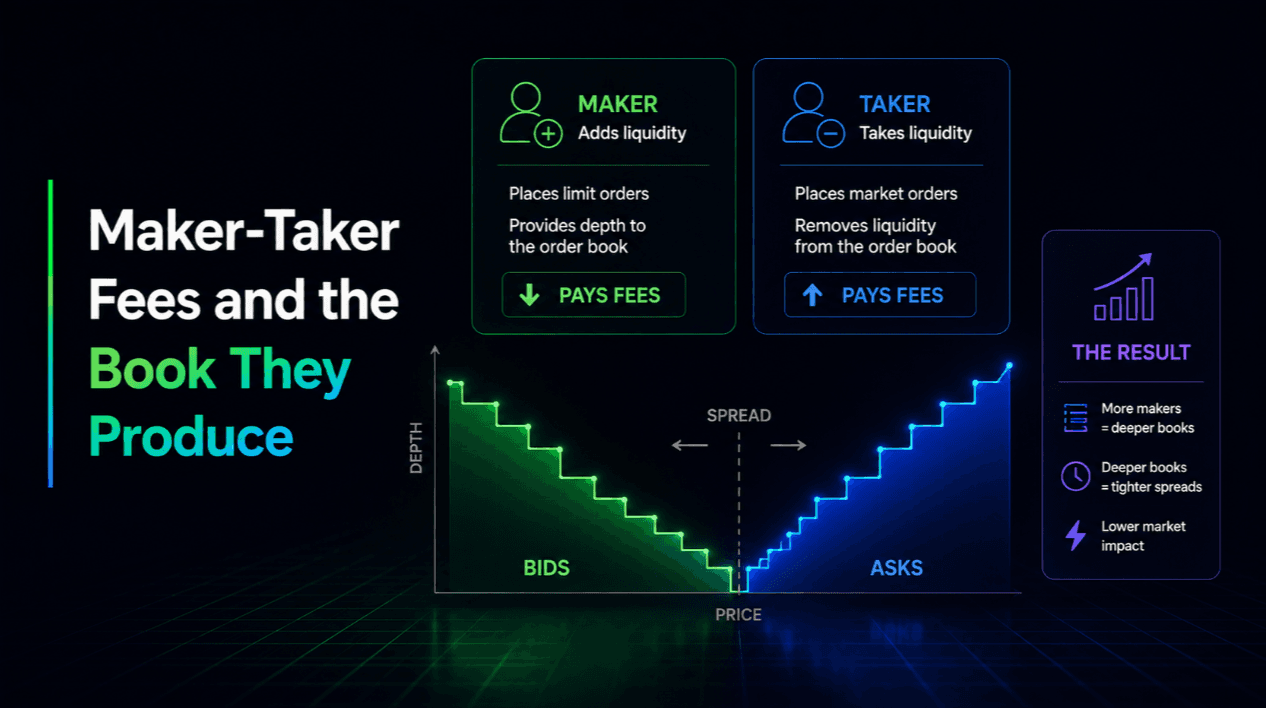
Almost every venue charges more to take liquidity than to provide it, and some pay providers outright. The stated reason is fairness to market makers. The actual effect is that the depth on your screen is partly a product of the fee schedule rather than of genuine willingness to trade.
Emily Volker · October 19, 2026→
Markets· 8 min
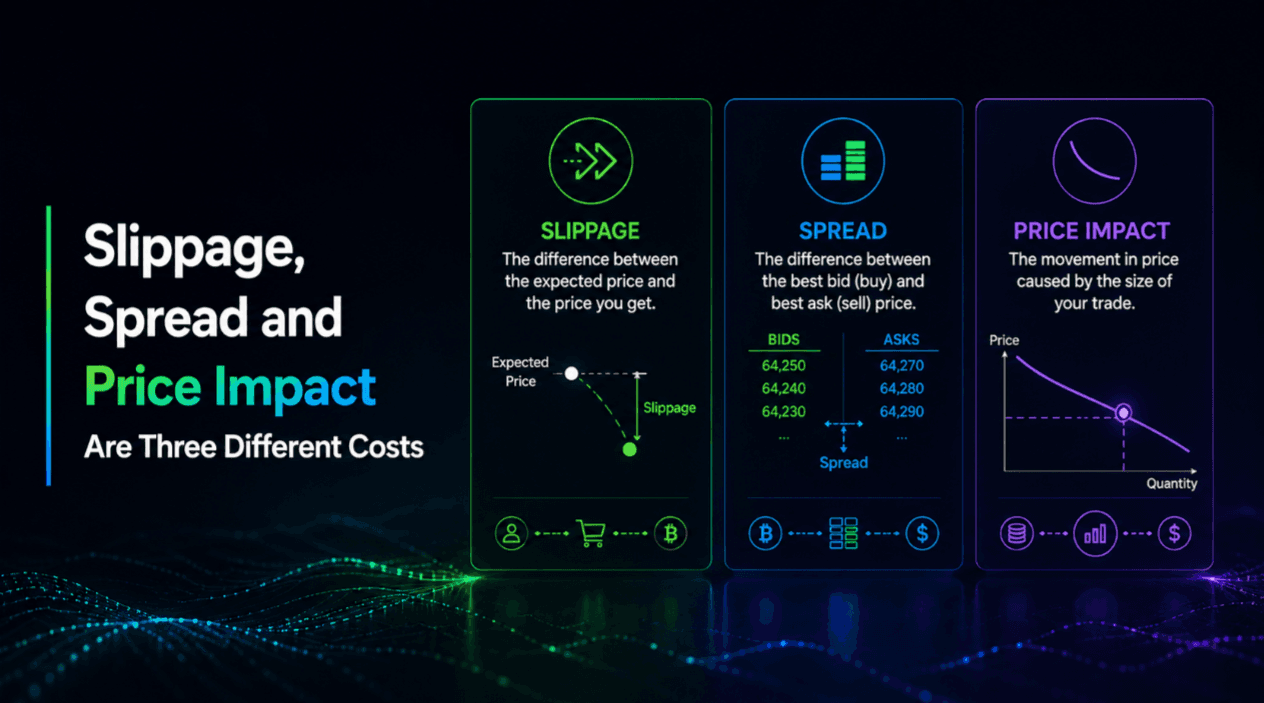
Traders bundle three distinct costs under one word, which makes it impossible to work out where money is actually going. They have different causes, different sizes and different remedies, and only one of them is unavoidable.
Olivia Bennett · October 17, 2026→
Markets· 9 min
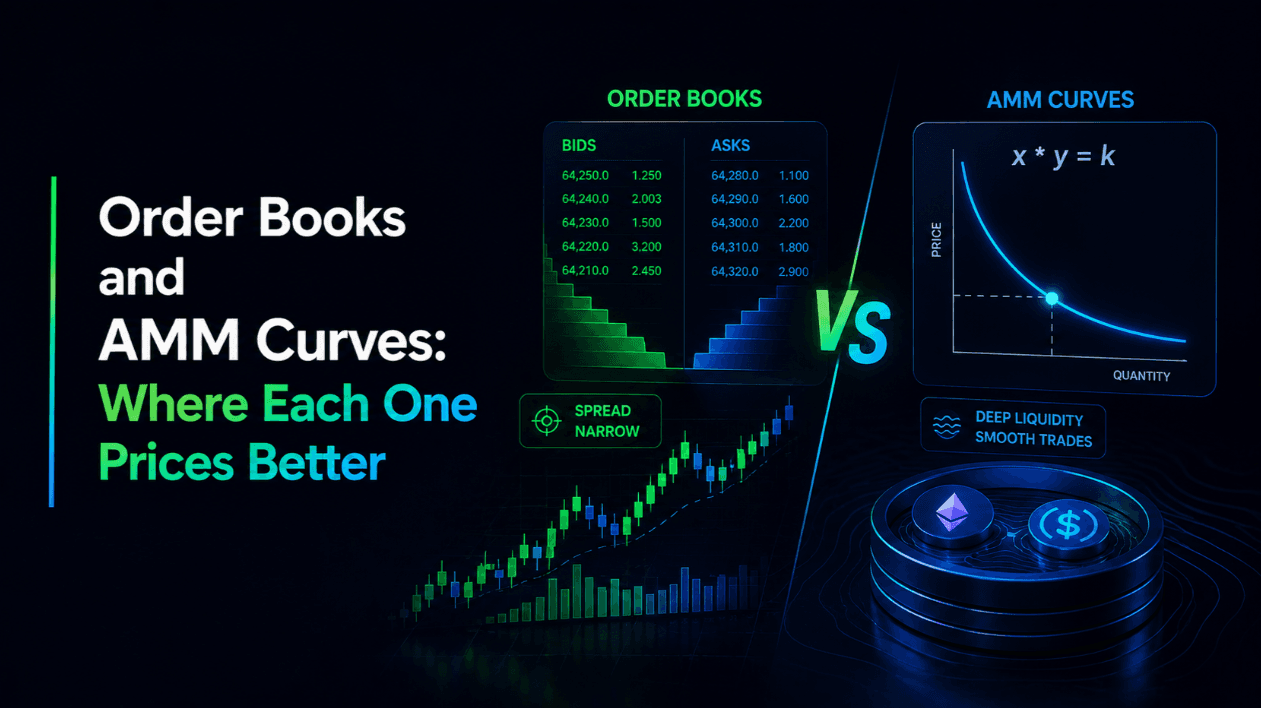
An order book and an automated market maker solve the same problem — matching a buyer to a seller — with opposite assumptions about who is willing to wait. Neither is better in general, and knowing which is better for a given trade is a question with an actual answer.
James Park · October 15, 2026→
Markets· 8 min
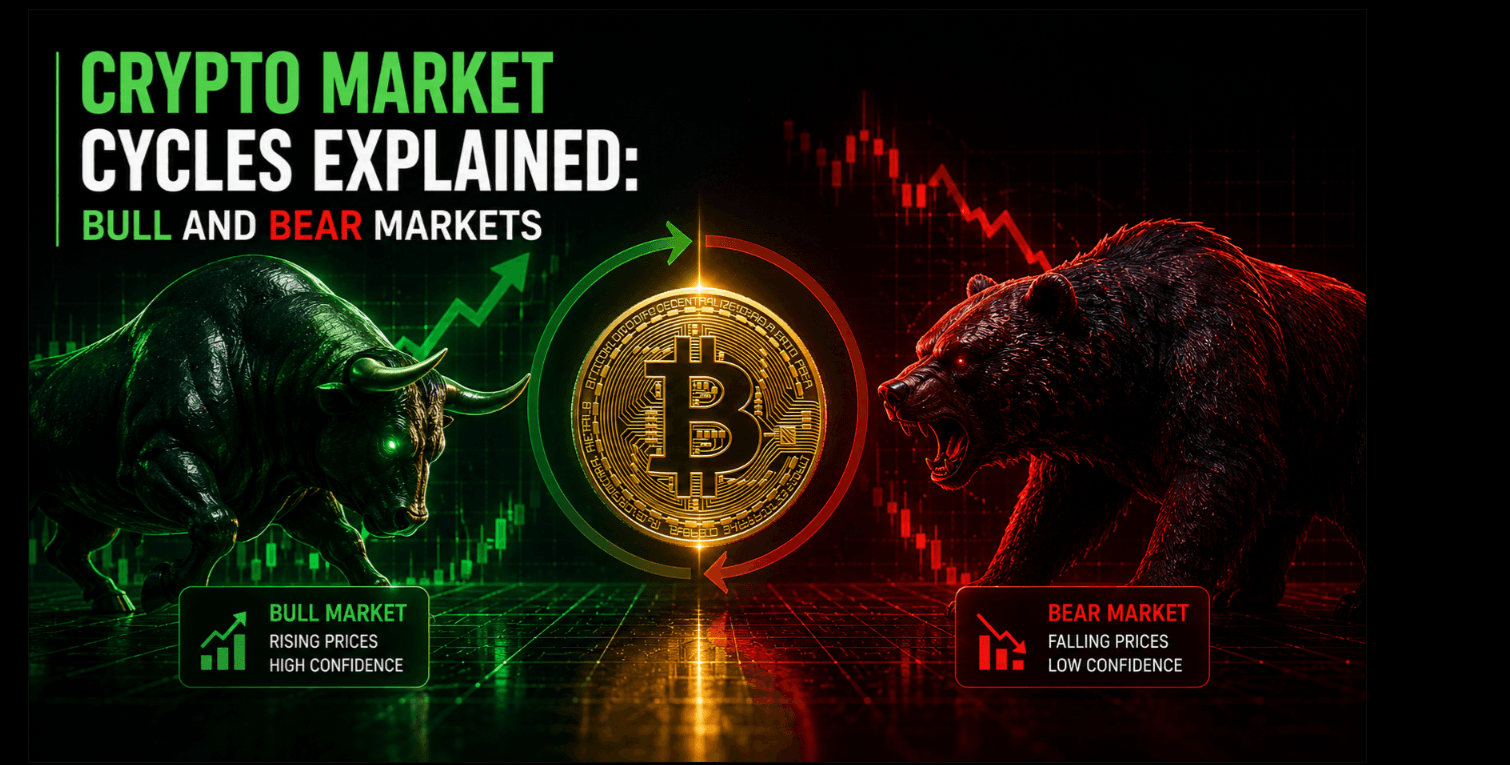
Crypto moves in repeating cycles of expansion and contraction. Understanding the four phases of a market cycle helps you set expectations and avoid buying euphoria or selling fear.
Emily Volker · June 16, 2026→
Markets· 9 min
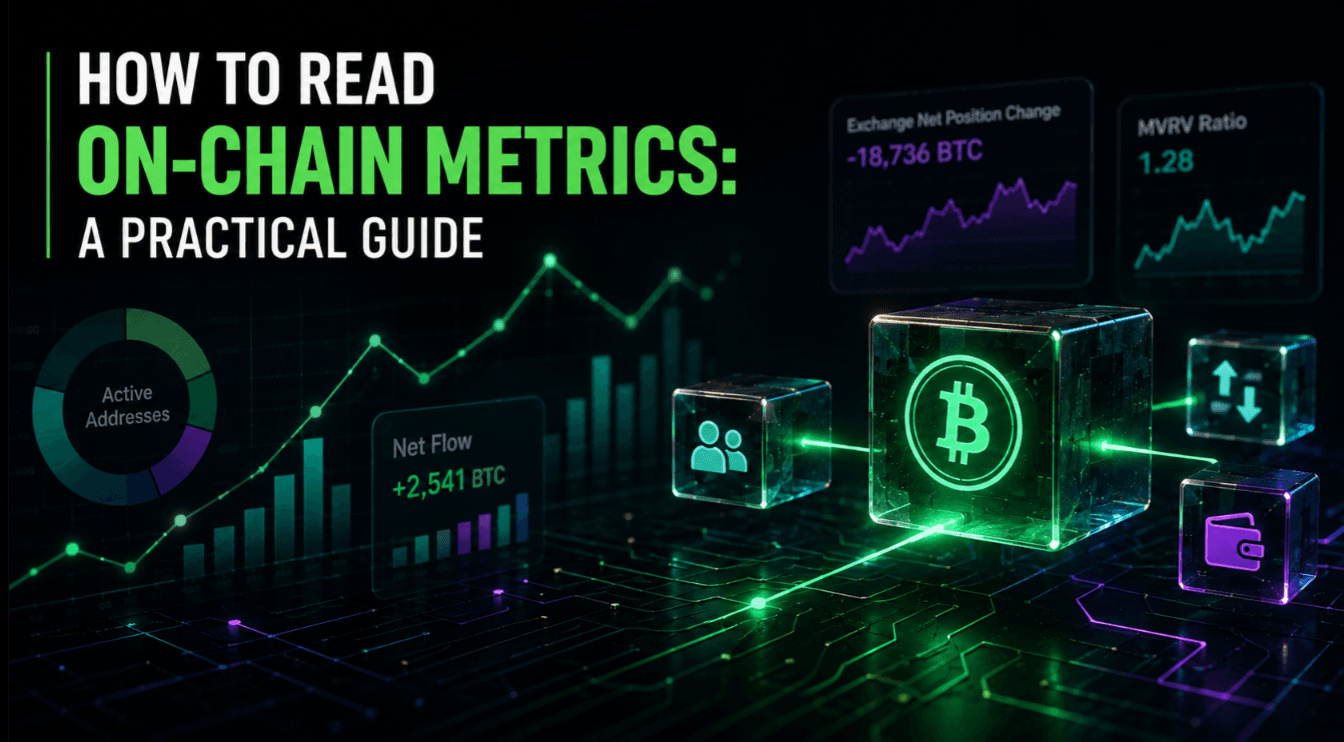
On-chain data turns a public blockchain into a window on real user behaviour. Here is how to read the core metrics, and how to avoid drawing the wrong conclusions from them.
James Park · June 10, 2026→
Markets· 7 min
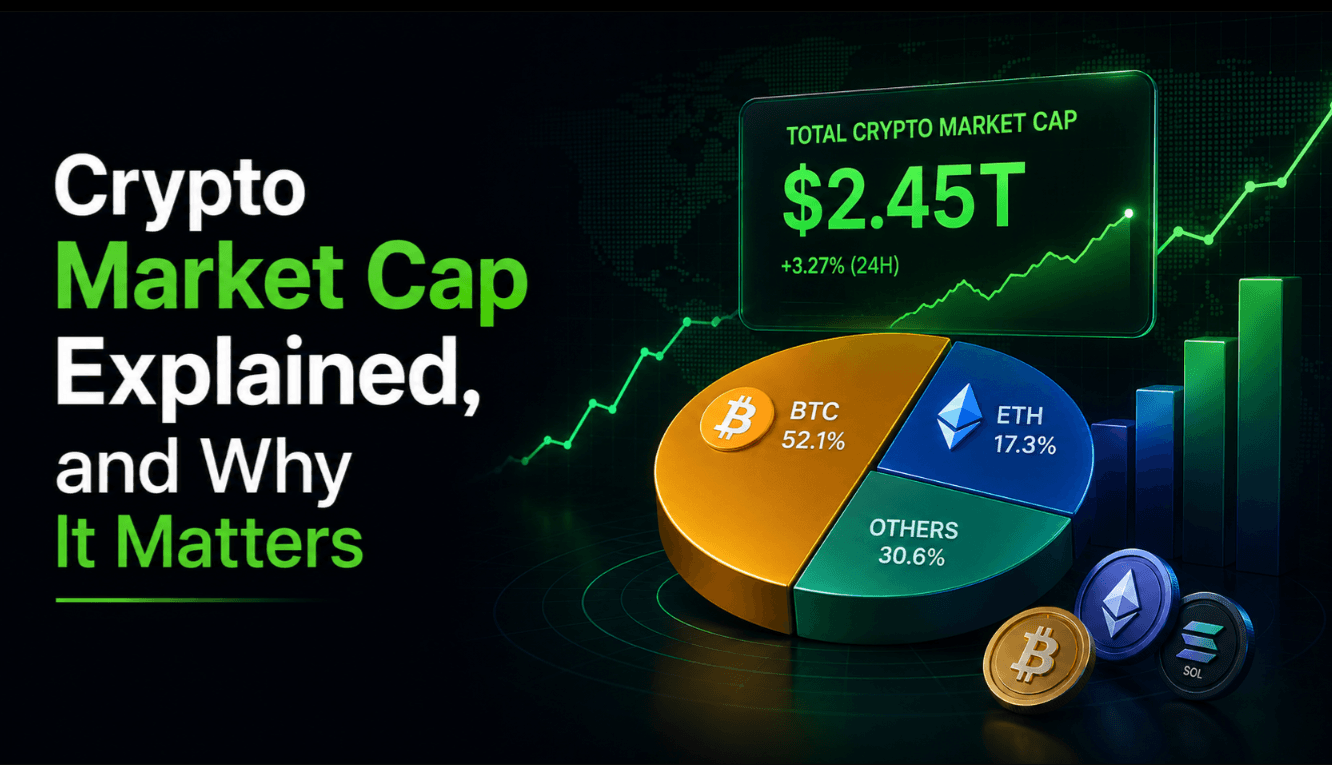
Market cap is the headline number everyone quotes, but few use it correctly. Here is how it is calculated, what it really tells you, and where it can be misleading.
Olivia Bennett · June 1, 2026→
Markets· 8 min
Telling a bull market from a bear is easy in hindsight and hard in the moment. These are the signals that help you read the broader trend without chasing noise.
Emily Volker · May 26, 2026→
Markets· 10 min
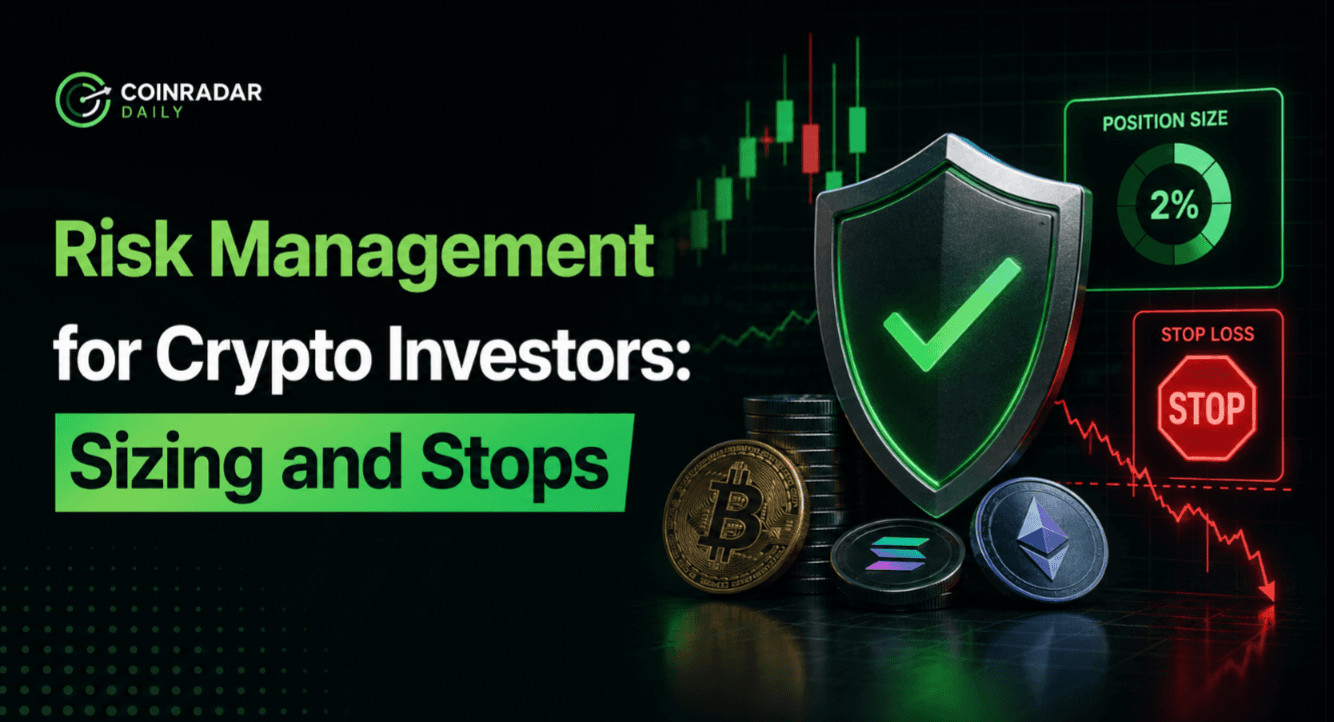
Returns get the attention, but risk management decides who survives. Here is how position sizing, stop-losses, and sensible limits keep you in the game.
James Park · May 19, 2026→